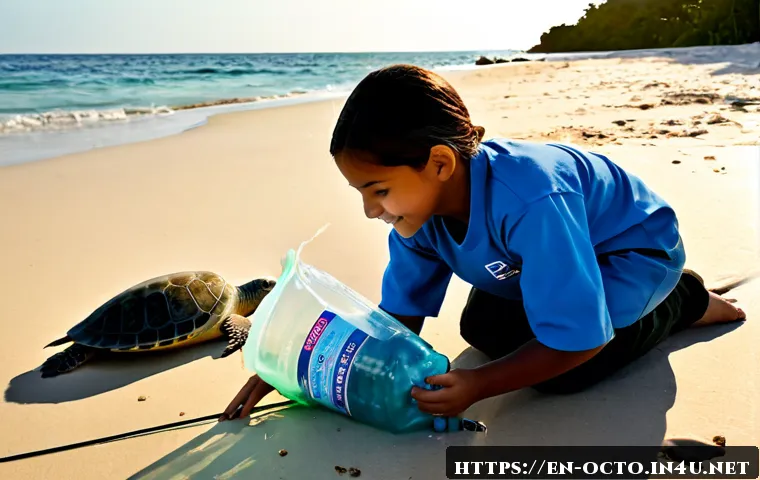
An Octonauts-inspired ocean conservation campaign can engage children when the environmental goal stays at the center and the character theme remains a supportive element.
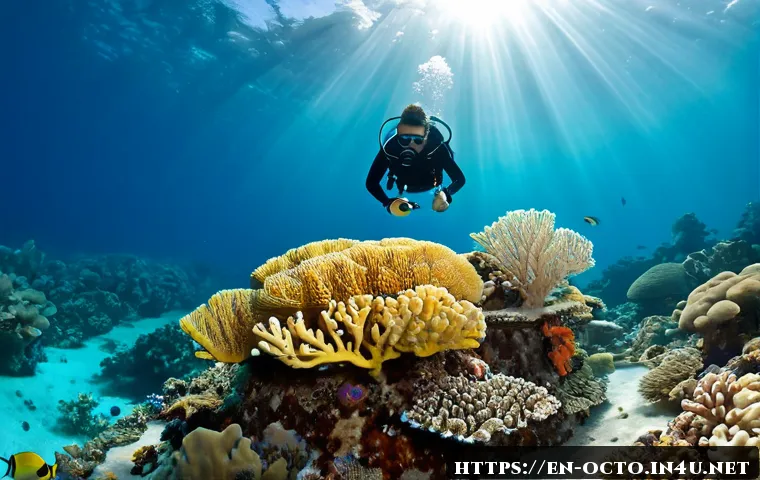
Start with one action children can understand, such as reducing single-use plastic, protecting habitats, or learning how litter affects marine wildlife.
For most small groups, a DIY plan with reusable materials is enough; education kits or aquarium outreach may be useful when planning time, specialist knowledge, or larger attendance is a concern.
Choose activities according to age, supervision needs, venue rules, and the materials you can reuse. If you plan to use Octonauts names, artwork, clips, music, or printable materials, check permission requirements before promoting the event.
A simple, well-run activity with a clear takeaway is usually more valuable than a large themed display.
At a Glance
- Purpose: Help children connect everyday choices with ocean conservation through one clear message and one practical action.
- Suitable group: Adaptable for families, classrooms, libraries, and mixed-age community events with adult supervision.
- Best resource choice: Use DIY and reusable materials for simple events; compare education kits, aquarium programs, and conservation partners when extra support is needed.
| Activity Format | Best When | Preparation and Supervision | Reuse Value | Key Check Before Choosing |
|---|---|---|---|---|
| DIY home or classroom activities | You have a small group and a clear learning goal | More planning by adults; supervision depends on the activity | High when signs, maps, and sorting tools are reusable | Make sure the activity leads to a real conservation message, not just a craft |
| Environmental education kits | You want prepared lesson materials or repeatable stations | Less content planning; still review instructions and age suitability | Varies by material quality and refill options | Compare included materials, licensing terms, and long-term usefulness |
| Aquarium workshop or mobile educator | You need specialist-led learning or a larger event program | Provider may lead content; organizers still handle venue and child safety | Learning can extend through follow-up activities | Ask about audience fit, accessibility, timing, and what the booking includes |
| Local conservation partner | You want a community action connected to local needs | Planning is shared; outdoor work may require closer supervision | Potential for ongoing involvement | Confirm local rules, disposal arrangements, safeguarding, and weather plans |
Start With a Clear Ocean-Conservation Goal
The strongest campaign begins with one message children can repeat. “Use less single-use plastic,” “protect marine habitats,” and “keep litter away from waterways” are clearer than trying to cover every ocean issue in one session. Pick a message that can be shown through an activity and followed by a realistic action.
Choose One Measurable Message
For a plastic-reduction theme, children might identify reusable alternatives they can use at home or school. For habitat protection, they can create a map showing what marine animals need in a healthy habitat. For marine wildlife awareness, use a sorting game that links common litter items to possible risks for ocean animals without making unsupported claims.
Keep the Character Theme Supportive
An Octonauts-inspired approach can provide a familiar sense of adventure, but the event should not depend on branded visuals or media. Let the theme support exploration, teamwork, and marine-life curiosity. The environmental lesson, not the character reference, should be what children remember and discuss afterward.
Three Quick Takeaways for Parents and Educators
- Choose one conservation action before selecting decorations or activities.
- Use a short opening question, a hands-on station, and a simple closing pledge.
- Plan for reuse from the beginning so the campaign does not create unnecessary waste.
Compare Activity Formats, Materials, and Budget Value
There is no single best resource type. The right choice depends on your available preparation time, group size, venue, and whether you need expert support. Compare the total value of materials rather than choosing only by how themed or visually impressive they appear.
DIY Classroom or Home Activities
DIY activities usually offer the lowest direct cost, but they require the most adult preparation. A habitat-map station, a reusable-product swap, or a simple waste-sorting game can work with borrowed containers, printed labels, and existing craft supplies. Keep instructions short and avoid buying disposable decorations for a one-time event.
Educational Kits and Reusable Display Materials
Paid environmental education kits can save planning time when they include structured activities, durable visuals, or materials that can be used across several sessions. Before buying, look at the intended age group, setup needs, replacement materials, accessibility, and whether the learning content matches your chosen goal. A resource is more useful when it can support future classroom activities rather than one event only.
Aquarium Workshops, Mobile Educators, and Local Conservation Partners
An aquarium education program, mobile educator, or local conservation partner may add value when children would benefit from guided discussion or when an organizer needs help managing a larger event. Ask what the program covers, who provides materials, how it suits different ages, and what supervision remains the organizer’s responsibility. Check venue rules and booking conditions before making public announcements.
Comparison Table: Cost, Effort, Group Size, and Learning Value
Use the table above as a planning framework rather than a fixed ranking. DIY activities may be ideal for a short family event, while external educators can be a better fit when you need specialized content or a facilitator. Preparation time, supervision needs, and reuse value often matter as much as the initial purchase or booking decision.
Build a Child-Friendly Campaign Without Creating Extra Waste
An ocean conservation event should reflect its message in the way it is organized. Choose materials that can be borrowed, reused, stored, or recycled through available local options. A smaller setup with meaningful participation is often more effective than a room full of short-lived decorations.
Reusable Signage, Borrowed Props, and Digital Invitations
Use reusable signs with changeable labels, borrow marine-life books or display items, and send digital invitations when appropriate. If printed handouts are needed, keep them focused on one action children can take. Consider whether every item will have a purpose after the event is over.
Simple Activities That Connect Action to Learning
A shoreline litter audit can help older children observe and record what they find, but it requires an appropriate location, adult supervision, and local safety planning. Indoor groups can use a sorting game with clean sample items or create a marine-animal habitat map. Explain why the activity matters before asking children to complete it.
Avoid Misleading “Eco-Friendly” Extras
Do not assume that a disposable giveaway becomes sustainable because it has an ocean-themed label. Avoid crafts that quickly become waste or materials that cannot be reused. If you offer a take-home element, a family pledge, a reusable reminder card, or a digital follow-up can be more aligned with the campaign goal.
Use Characters and Media Responsibly
It is important to separate an Octonauts-inspired learning idea from official branded use. The campaign should not imply sponsorship, approval, or partnership unless that status has been confirmed.
Check Permissions Before Using Branded Materials
Permission requirements may apply to character names, images, logos, episodes, music, and downloadable branded printables. Check the relevant rights or official guidance before using these items in posters, event pages, classroom handouts, fundraising materials, or public displays.
Create Original Ocean-Themed Visuals When Rights Are Unclear
When usage rights are uncertain, create original visuals based on general ocean exploration: submarines, coral habitats, animal tracks, reusable bottles, or “ocean mission” cards. This keeps the activity welcoming while reducing avoidable promotional mistakes.
Keep Safety, Accessibility, and Supervision Central
Outdoor activities need clear boundaries, adult supervision, and a plan for the venue. Make stations accessible for different ages and participation styles. Confirm local safeguarding expectations, weather arrangements, waste-disposal options, and any site-specific rules before the event.
Adapt the Campaign for Home, School, Library, or Community Events
One campaign idea can be adjusted without becoming complicated. Match the format to the setting, the available time, and the number of children expected.
At Home
A family campaign can be as simple as a short ocean pledge followed by a reusable-product swap. Ask children to choose one item they can replace, reuse, or avoid, then discuss how that choice supports cleaner waterways and oceans.
In Classrooms
Classrooms can connect marine-life learning with science, geography, art, or waste-reduction projects. Use a habitat map, a materials-sorting station, or a class pledge board. If you use purchased classroom resources, check whether they can support more than one lesson.
At Public Events
Public events work best with independent stations that visitors can join at different times. Use clear instructions, short activities, and visible adult supervision. A conservation partner or aquarium outreach program may help with facilitation, but confirm practical responsibilities before booking.
For Small Budgets
Prioritize one meaningful action over a large themed display. A borrowed book display, original signs, a sorting activity, and a family pledge can create a complete experience without relying on disposable supplies or unverified branded materials.
Selection Criteria and Comparison Summary
Before booking or buying, compare materials, supervision needs, and reuse value. Choose the option that supports your learning goal without adding unnecessary complexity.
- Does the activity clearly support plastic reduction, habitat protection, or marine wildlife awareness?
- Is the resource appropriate for the children’s ages, group size, and attention span?
- What preparation, adult supervision, and venue support are required?
- Can the materials be reused for future environmental education activities?
- Have you checked licensing status before using branded characters, images, music, or printables?
- Does the plan reduce waste rather than creating more of it?
A DIY plan is usually enough when the message is simple and adults can prepare the activity. An external educator, aquarium program, or local conservation partner may add value when specialist knowledge, facilitation, or community connection is needed. For education kits and event providers, review the official details and conditions on the relevant page before committing.
Closing Thoughts
An Octonauts-inspired ocean conservation campaign works best when children leave with a clear idea and one action they can try. Keep the theme light, the conservation goal specific, and the materials reusable where possible. Careful planning also protects your event from avoidable issues involving permissions, safety, and waste. A small activity with a strong message can be memorable for children and manageable for organizers.
Useful Things to Know
Reuse display materials across multiple sessions whenever possible. Build in a short reflection question, such as “What is one change we can make this week?” Keep public-event stations flexible because attendance and participation time may vary. For outdoor activities, confirm site rules and disposal options in advance.
Important Notes
This is a general planning guide, not a description of an official Octonauts campaign. Licensing, sponsorship, local safety requirements, venue rules, waste-disposal options, budgets, and provider availability must be checked for your own event. Do not imply official brand endorsement unless you have confirmed permission.
Frequently Asked Questions
Q1. Can I use Octonauts characters in a school ocean conservation campaign?
A1. You may need permission to use character names, artwork, logos, clips, music, or branded printable materials. Check applicable official guidance before using branded content in school communications, public promotions, or event materials. If rights are unclear, use original ocean-themed visuals instead.
Q2. What are low-cost ocean conservation activities for children?
A2. Low-cost options include a reusable-product swap, a marine habitat map, a clean-item sorting game, a family pledge, or a shoreline litter audit where appropriate safety and local rules have been confirmed. Focus on one practical action and reuse materials where possible.
Q3. Is an aquarium education program worth the cost for a community event?
A3. It may be worthwhile if you need specialist-led learning, support for a larger group, or a structured program that your team cannot easily provide. Compare the content, audience fit, materials, supervision responsibilities, accessibility, and booking terms with a DIY plan or local conservation partnership before deciding.