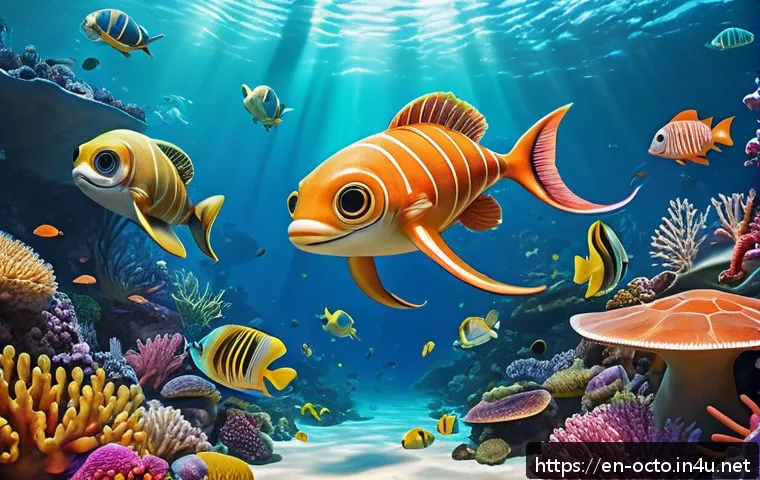
Lately, the fascination with ocean exploration has surged, fueled by new discoveries and captivating stories from the deep sea. It’s the perfect time to dive into the enchanting world where the adventurous Octonauts cross paths with timeless maritime legends.
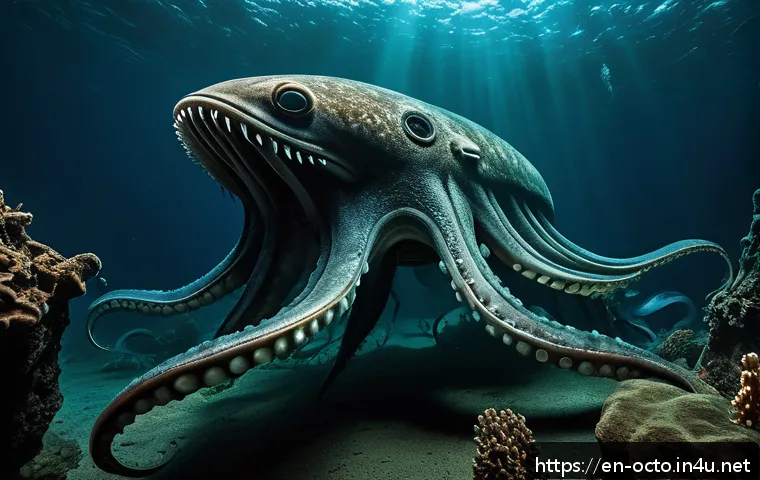
These tales not only spark imagination but also connect us to the mysteries lurking beneath the waves. If you’ve ever wondered how ancient myths blend with modern underwater adventures, stick around—this journey promises surprises and insights you won’t want to miss.
Let’s embark on a voyage that bridges childhood wonder and historical intrigue, revealing the depths in ways you’ve never seen before.
The Magical Creatures of the Deep: From Octonauts to Ancient Sea Beasts
Imagining Life Beneath the Waves
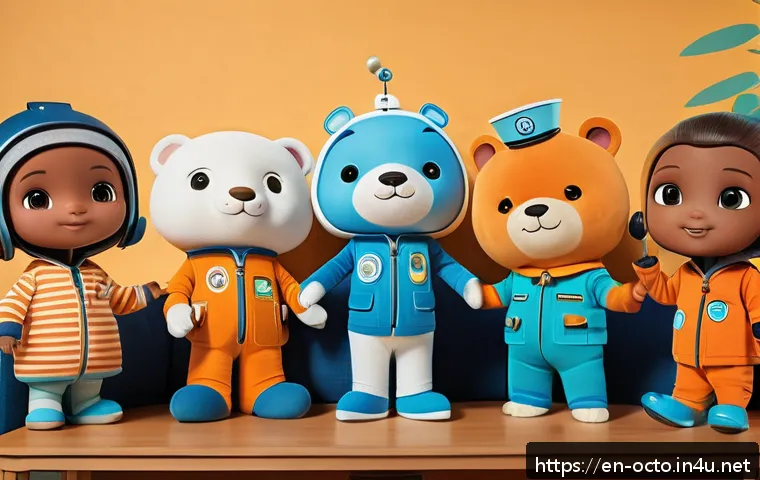
The underwater world, as portrayed by the Octonauts, bursts with vibrant sea creatures that inspire awe and curiosity. Their adventures introduce us to friendly giant squids, curious sea turtles, and playful dolphins, all painted with a touch of whimsy and scientific wonder.
What makes these characters so enchanting is how they blend accurate marine biology with imaginative storytelling. This mix invites young and old alike to view the ocean not just as a vast blue expanse but as a realm brimming with life and stories waiting to be told.
The Octonauts’ creatures, while fictional, often mirror real animals, sparking viewers to learn more about the ocean’s inhabitants.
Legendary Sea Monsters and Their Stories
Long before animated series like the Octonauts, mariners spun tales of colossal sea monsters that roamed the depths. From the Kraken, a legendary giant squid said to drag entire ships beneath the waves, to mermaids and sea serpents, these myths served to explain the mysterious and often dangerous nature of the sea.
Unlike the friendly creatures in modern stories, these ancient beasts often symbolized fear of the unknown and the ocean’s unpredictable power. Yet, these legends have a timeless appeal, connecting us to the human urge to explore and understand the vast watery world.
Bridging Fiction and Folklore: How Stories Shape Our View of the Ocean
The fascinating part is how contemporary shows like the Octonauts draw subtle inspiration from these old legends, repackaging them in a way that is accessible and educational.
For example, the Octonauts’ encounters with giant squids echo Kraken tales but present the creature as a misunderstood giant rather than a terrifying monster.
This approach teaches empathy and curiosity, encouraging audiences to embrace discovery instead of fear. It’s a beautiful evolution of storytelling that honors history while fostering a sense of wonder and respect for marine life.
Exploring Ocean Mysteries: Science Meets Imagination
Real Ocean Discoveries Behind Fictional Tales
Many of the creatures featured in ocean adventure stories are inspired by real scientific discoveries. For instance, deep-sea exploration has revealed species like the anglerfish with its glowing lure or the vampire squid, both of which seem straight out of a fantasy novel.
The Octonauts cleverly incorporate such creatures, blending fact with fiction to create thrilling narratives that educate without overwhelming. This fusion makes the ocean’s mysteries approachable, showing that truth can be just as captivating as imagination.
Technological Advances That Make Exploration Possible
Modern ocean exploration is no longer limited to tales and imagination. Advances in technology, such as remotely operated vehicles (ROVs) and submersibles, allow scientists to venture into the darkest parts of the sea.
These tools have uncovered ecosystems previously thought impossible, such as hydrothermal vents teeming with unique life forms. In many ways, the Octonauts’ high-tech submarine mirrors real-world exploration vehicles, bringing the excitement of discovery to viewers while grounding the story in plausible science.
How Education and Entertainment Blend Seamlessly
One of the most impressive aspects of ocean-themed media is how it balances fun and learning. The Octonauts, for example, use catchy songs, colorful visuals, and engaging characters to teach viewers about ocean conservation, marine biology, and teamwork.
This educational entertainment model encourages kids to develop a lifelong interest in the ocean, planting seeds for future scientists and conservationists.
It’s a reminder that storytelling, when done thoughtfully, can be a powerful tool for inspiring real-world curiosity and care.
Historic Mariners and Their Impact on Ocean Lore
Seafarers Who Shaped Our Understanding of the Sea
Throughout history, sailors and explorers have been the real-life counterparts to the Octonauts, venturing into unknown waters and expanding humanity’s knowledge of the ocean.
Figures like Captain James Cook and Jacques Cousteau combined courage with curiosity, often recording their findings in journals that inspired generations.
Their contributions helped demystify many ocean legends by replacing superstition with science, yet their stories retained a sense of adventure that still captivates us today.
Maps, Myths, and Maritime Superstitions
Ancient maps were often decorated with sea monsters and mysterious islands, reflecting both the knowledge and the fears of the time. Mariners believed in omens and superstitions, such as the idea that whales could bring bad luck or that certain constellations guided safe passage.
These beliefs, while sometimes hindering exploration, also enriched the cultural tapestry of the sea and gave birth to countless legends. The interplay between myth and navigation shaped how people related to the ocean’s vastness and unpredictability.
From Sailboats to Submarines: Evolution of Ocean Travel
The leap from wooden sailing ships to advanced submarines is a testament to human innovation and determination. Early mariners relied on the stars and rudimentary tools, while modern explorers use sonar, GPS, and deep-sea vehicles to chart the ocean floor.
This evolution not only expanded our physical reach but also our storytelling possibilities, allowing narratives like those in the Octonauts to feature realistic exploration scenarios infused with imaginative elements.
Protecting Ocean Life: Lessons from Stories and Science
Environmental Messages in Ocean Adventures
Stories about the ocean often carry an underlying call to protect marine ecosystems. The Octonauts, for example, frequently emphasize the importance of preserving habitats and rescuing endangered species.
These narratives serve as gentle reminders that human activity impacts the sea and its inhabitants. By weaving conservation themes into entertaining plots, such stories foster awareness and responsibility from an early age, which is crucial as oceans face challenges like pollution and climate change.
Real-World Conservation Efforts Inspired by Curiosity
The fascination with ocean exploration has motivated countless conservation projects worldwide. Marine protected areas, coral restoration programs, and wildlife rescue operations all benefit from the public’s growing interest in ocean health.
Popular media, including animated series, play a role in this by making the ocean’s wonders accessible and relatable. When people feel connected to sea creatures and their stories, they’re more likely to support efforts that safeguard these fragile environments.
How Individuals Can Make a Difference
You don’t have to be an explorer or scientist to contribute to ocean conservation. Simple actions like reducing plastic use, supporting sustainable seafood, or participating in beach cleanups can have a meaningful impact.
The stories we cherish, from ancient legends to modern adventures, remind us that the ocean is a shared treasure. Embracing this mindset encourages everyone to act as stewards of the sea, ensuring its mysteries and magic endure for generations to come.
Comparing Mythical Creatures and Real Ocean Species
| Creature Type | Mythical Attributes | Real Ocean Counterpart | Scientific Facts |
|---|---|---|---|
| Kraken | Gigantic squid-like monster, feared for sinking ships | Giant Squid (Architeuthis) | Can grow up to 43 feet, elusive deep-sea dweller rarely seen alive |
| Mermaids | Half-human, half-fish beings, often enchanting sailors | Dugong & Manatees | Marine mammals with smooth bodies, historically mistaken for mermaids by sailors |
| Sea Serpent | Enormous serpentine creature, causing shipwrecks | Oarfish | Longest bony fish, can reach lengths of up to 36 feet, rarely observed |
| Leviathan | Massive sea monster symbolizing chaos and power | Blue Whale | Largest animal on Earth, peaceful giant feeding on krill |
Ocean Exploration Tools: Fiction vs. Reality
The Octonauts’ Gadgets and Their Real-Life Inspirations
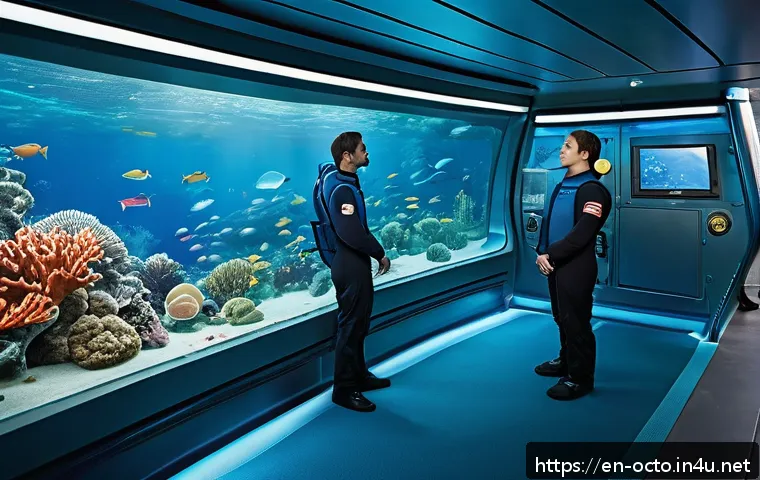
The Octonauts’ high-tech gear, from their submarines to specialized diving suits, might seem like pure fantasy, but many are inspired by actual underwater exploration equipment.
For instance, their Gup vehicles echo the design of real remotely operated vehicles (ROVs) used by marine scientists. These machines allow humans to explore depths unreachable by divers, capturing images and collecting samples.
The blend of colorful design and practical function in the Octonauts’ gear helps viewers grasp the excitement and challenges of ocean research.
Challenges Faced by Ocean Explorers
Operating in the ocean depths is no easy task. The immense pressure, darkness, and cold temperatures create a hostile environment. Real explorers must contend with technical failures, limited communication, and the unpredictability of sea life.
While the Octonauts often resolve their adventures smoothly, actual missions require patience, expertise, and sometimes sheer luck. Understanding these difficulties adds a layer of appreciation for the real heroes of ocean exploration.
Future Technologies Shaping Ocean Discovery
Looking ahead, the future of ocean exploration promises even more remarkable advances. Autonomous underwater vehicles (AUVs), advanced sonar mapping, and artificial intelligence are transforming how we study the sea.
These innovations could uncover unknown species, map uncharted territories, and better monitor environmental changes. The imaginative technologies featured in ocean stories today may soon become reality, continuing the cycle of inspiration between science and storytelling.
Oceanic Adventures and Their Impact on Childhood Learning
How Storytelling Enhances Curiosity and Knowledge
Children absorb knowledge best when it’s wrapped in an engaging narrative. Ocean-themed adventures tap into this by combining exciting storylines with educational content.
The Octonauts, for example, teach about marine ecosystems, animal behaviors, and environmental issues through their missions. This method makes learning fun and memorable, encouraging kids to ask questions and explore beyond the screen.
Building Empathy Through Ocean Characters
Many ocean adventures personify sea creatures, giving them relatable personalities and emotions. This approach helps children develop empathy not only for the characters but also for real animals and their habitats.
When a show highlights the plight of endangered species or the impact of pollution, it fosters a sense of responsibility. Such emotional connections are powerful motivators for positive action, even at a young age.
Inspiring Future Ocean Advocates
The magic of ocean stories often plants the seeds for lifelong passions. Many marine biologists, conservationists, and oceanographers trace their inspiration back to childhood shows, books, or myths about the sea.
By engaging children with compelling narratives and vivid imagery, these stories nurture the next generation of explorers and protectors. This impact is perhaps the greatest legacy of blending ocean myths with modern adventures.
In Conclusion
The ocean’s mysteries continue to captivate our imagination, blending science, legend, and storytelling into rich narratives that inspire all ages. From mythical beasts to real marine creatures, these stories deepen our appreciation for the underwater world. By exploring both fact and fiction, we foster curiosity, respect, and a desire to protect our oceans for future generations.
Useful Information to Know
1. The Octonauts creatively combine real marine biology with imaginative tales to make ocean life engaging and educational for children.
2. Ancient sea monster legends like the Kraken and mermaids helped early sailors explain the unknown dangers of the ocean.
3. Modern technology such as ROVs and submersibles has revolutionized ocean exploration, revealing new species and habitats.
4. Environmental themes in ocean stories encourage conservation awareness and inspire real-world actions to protect marine ecosystems.
5. Storytelling fosters empathy and curiosity in children, often inspiring future marine scientists and ocean advocates.
Key Takeaways
Understanding the ocean requires a blend of scientific discovery and imaginative storytelling, both of which enrich our connection to marine life. Myths and modern media serve as bridges between fear and fascination, teaching us to explore with respect and wonder. Technological advances continue to expand our knowledge, while educational narratives play a crucial role in promoting ocean conservation and inspiring the next generation to cherish and protect the seas.
Frequently Asked Questions (FAQ) 📖
Q: uestionsQ1: How do ancient maritime legends influence modern ocean exploration stories like those of the Octonauts?
A: Ancient maritime legends provide a rich backdrop of mystery and wonder that fuels the imagination behind modern ocean exploration stories. The Octonauts, for instance, weave these timeless myths into their adventures, making the deep sea feel alive with history and magic.
This connection helps viewers and readers relate to the ocean not just as a scientific frontier but as a realm of stories passed down through generations, sparking curiosity and respect for the underwater world.
Q: What makes the deep sea such a captivating subject for both children and adults?
A: The deep sea captivates us because it’s largely unexplored and full of strange, beautiful creatures and hidden wonders. For children, shows like the Octonauts turn this mysterious world into a playground of discovery and heroism.
Adults are drawn to the scientific and historical layers, including real-life discoveries and the blending of folklore with facts. This combination of imagination and reality creates a compelling narrative that appeals across ages, inviting everyone to explore and dream.
Q: Can exploring ocean myths alongside real underwater discoveries enhance our understanding of marine life?
A: Absolutely. Exploring ocean myths alongside real discoveries creates a bridge between culture and science that deepens our appreciation of marine life.
Myths often highlight human relationships with the sea, embedding lessons about respect and caution. When paired with modern exploration, they provide context and emotional resonance, encouraging people to care more about ocean conservation.
Personally, I’ve found that this blend makes learning about marine ecosystems more engaging and meaningful, motivating many to support ocean preservation efforts.