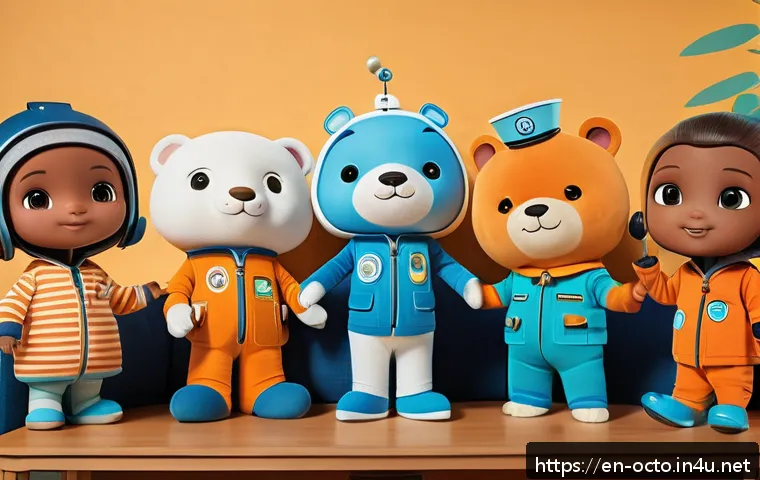
Octonauts is most likely to appeal to preschool-aged children, especially those who enjoy gentle animated adventures, sea animals, and familiar characters.
Younger toddlers may enjoy it with an adult nearby, while some early elementary children may stay interested because of the ocean-themed stories and creature facts.
Age is only one part of the decision: attention span, comfort with rescue scenes, and interest in animals matter too. For families considering a streaming plan, book, or licensed toy, the best choice is usually the one that fits how the child will actually watch, read, or play.
A popular character alone does not guarantee lasting value. Check the current platform details, product age guidance, and safety information before choosing.
At a Glance
- Likely core audience: Preschool children who enjoy animated animal adventures, rescue stories, and repeat viewing.
- Broader suitability: Toddlers may benefit from co-viewing, while early elementary children may connect with ocean animals and independent interests.
- Best buying approach: Compare streaming access, books, and toys by maturity, household use, and repeat-play value—not character popularity alone.
| Family Situation | Potential Fit | What to Check First | Useful Option |
|---|---|---|---|
| Toddlers | May enjoy colorful characters and short viewing moments | Attention span, response to tense rescue scenes, adult support | Short co-viewing sessions or simple character books |
| Preschoolers | Often the strongest match for character-led ocean adventures | Interest in stories, repeat viewing, and pretend play | Streaming access, picture books, age-guided toys |
| Early Elementary Children | May enjoy animal themes and science-related curiosity | Whether the story style still feels engaging to them | Books, activity products, or toys with open-ended play |
| Family Co-Viewing | Can work when siblings have different interests and maturity levels | Whether each child is comfortable with the pacing and adventure themes | A household streaming option with parent-led discussion |
The Short Answer: Who Is Most Likely to Enjoy Octonauts?
Octonauts is generally most associated with preschool-aged viewers. Its character-driven format, ocean setting, and adventure structure can suit children who enjoy animated stories with familiar faces and recurring themes. That said, there is no single age that guarantees interest or readiness.
A child who loves animals may be engaged earlier or longer than expected. Another child in the same age range may prefer quieter stories, live-action content, or a different type of play. The most useful question is not only “How old is the child?” but also “What kind of stories does this child enjoy and handle comfortably?”
Why Preschool Viewers Are Usually the Core Audience
Preschool children are often drawn to shows with recognizable characters, clear story movement, and opportunities for repeat viewing. Ocean creatures and rescue-style adventures can also give parents a natural starting point for simple conversations about animals, habitats, helping others, and problem-solving.
For this age group, familiarity can matter as much as novelty. A child may want to revisit favorite characters, replay a beloved episode, or extend the interest through a picture book or pretend-play toy. This is why a viewing option may offer more value when it fits regular household use rather than a one-time watch.
Still, check the child’s reaction to adventure scenes. Even a generally gentle animated program may include urgency, unfamiliar creatures, weather-related situations, or rescue moments that feel intense to a sensitive viewer.
When Younger or Older Children May Also Enjoy It
Younger children may enjoy the colors, voices, songs, or character recognition, but they may not follow every story detail. Co-viewing can make the experience easier to manage because an adult can pause, explain, or move on if the child loses interest.
Older children may connect with the ocean setting, animal-related curiosity, or a favorite character. Their interest may be more selective: they may prefer books, activity products, or imaginative play over watching full episodes repeatedly. Do not assume a product is a good fit simply because an older child recognizes the brand.
Age-by-Age Viewing Guide for Families
Age bands are useful for planning, but they should be treated as a starting point rather than a rule. A child’s temperament, prior viewing experience, and current interests can make a bigger difference than the number on a birthday card.
Toddlers: Co-Viewing, Pacing, and Short Sessions
For toddlers, start with short, supervised viewing sessions. Watch how the child responds to the pacing, sound, unfamiliar animals, and moments where characters need to solve a problem. If they become restless, worried, or overstimulated, it may be better to stop rather than push through an episode.
Co-viewing also turns screen time into a conversation. Simple prompts can help: “What animal do you see?” “Where are they going?” or “Do you think the character needs help?” There is no need to test comprehension. The goal is to see whether the child appears comfortable and interested.
For a younger child, a simple character book may be a lower-commitment way to explore the theme before choosing a subscription or a larger toy.
Preschoolers: Stories, Characters, and Repeat Viewing
Preschoolers may be especially interested in recurring characters and familiar story patterns. If a child asks to watch again, talks about an animal afterward, or uses the characters in pretend play, that can signal a stronger match than age guidance alone.
Consider whether your household would use a children’s streaming plan often enough to make sense. A platform may be more useful when several family members use it, when parental controls are easy to manage, or when the child has more than one age-appropriate program they enjoy. Verify current availability and subscription terms directly before signing up.
Books and activity products can also support the interest without adding more screen time. Look at the format first: a child who likes being read to may enjoy a picture book, while a child who prefers hands-on activity may get more from an age-appropriate product that encourages drawing, matching, or pretend play.
Early Elementary Children: Science, Ocean Animals, and Independent Interest
Early elementary children may be drawn to the animal and ocean elements more than the preschool-style character appeal. Some may enjoy using an episode as a springboard for questions about sea creatures, environments, or how different animals move and live.
At this stage, independent interest matters. If the child actively chooses ocean books, asks animal questions, or creates rescue stories during play, licensed products may have better long-term use. If they only recognize the characters but do not return to the theme, a smaller item may be a more practical choice than a large toy set.
Check the product description closely. A toy or book can carry a familiar name while still being designed for a different developmental stage.
Compare the Value of Streaming, Books, and Toys
The best Octonauts-related purchase depends on how the child engages with the theme. A streaming subscription, a book, and a toy solve different needs. Comparing them by repeat use can help avoid an impulse purchase based on packaging or fan excitement.
Choosing a Viewing Option Based on Household Use
A streaming option can be convenient for families who expect to watch more than once or who want a selection of children’s entertainment in one place. Before choosing one, confirm the current catalog, regional availability, profile settings, parental controls, and billing terms. Availability can change by country, service, season, or individual episode.
It is also worth considering viewing habits. If the child watches only occasionally, a subscription may not be the most suitable choice. If the family regularly co-watches and uses the service for several programs, the value may be easier to justify.
Decision point: Choose viewing access for regular household use, not solely because a child enjoyed one clip or one character.
Selecting Books and Activity Products by Developmental Stage
Books can be a useful alternative for families who want to build on an interest in characters and sea life without relying entirely on screens. For a younger child, look for a format that matches how they use books now: being read to, looking at pictures, turning pages, or naming familiar objects.
For an early reader or an older fan, check whether the language, length, and activity level match the child’s current confidence. The cover art may attract attention, but the inside format determines whether the book will be revisited.
When comparing activity products, focus on what the child can actually do with them. A product with a recognizable character is not automatically educational or engaging. The better question is whether it supports drawing, storytelling, matching, building, or another form of active participation that suits the child.
When Licensed Toys Offer Lasting Play Value
Licensed toys can be a good choice when a child already creates stories, role-plays rescues, or returns to the characters during independent play. Lasting value often comes from open-ended play, not from the size of the package or the number of accessories included.
Before buying, consider where the toy will be used, how it will be stored, and whether the child can play with it independently or needs adult setup. A smaller character figure or simple vehicle may be enough for one child, while another may prefer a book or activity set.

Always review the retailer’s age guidance, safety information, and small-parts warnings. Product availability and editions can vary, so check current details on the relevant product page before purchase.
What Parents Should Check Before Pressing Play or Buying
A quick check before viewing or purchasing can prevent mismatches. This is especially helpful when choosing for a child you do not see every day, such as a grandchild, niece, nephew, or a friend’s child.
Adventure Themes, Rescue Scenes, and Sensitivity Considerations
Adventure stories can include moments of uncertainty, urgency, separation, storms, unusual animals, or rescue situations. These themes may be exciting for one child and uncomfortable for another. If you are unsure, watch alongside the child first rather than assuming the animation style will feel calm to everyone.
Pay attention to the child’s behavior after viewing as well as during it. Asking to stop, becoming unusually quiet, or avoiding a particular episode can be useful signals. There is no need to label a child as “too old” or “too young”; it may simply be a matter of personal comfort.
Screen-Time Boundaries and Co-Viewing Prompts
Set the viewing routine before pressing play. Decide whether this is one short session, a family activity, or a program for a specific part of the day. Clear boundaries can reduce conflict when it is time to switch off.
Co-viewing prompts do not need to be complicated. Ask about an animal, a setting, or what the characters are trying to do. These questions help parents assess whether the content is a meaningful fit without turning entertainment into a lesson.
If a child becomes highly focused on one series, balance may also come from related offline options, such as reading together, drawing sea creatures, or using a toy for imaginative play.
Product Safety Labels, Small Parts, and Retailer Age Guidance
For toys and activity products, safety information comes before fandom. Check the recommended age range, small-parts notices, supervision needs, and any instructions included by the manufacturer or retailer. Packaging appearance should not replace the official guidance.
This is particularly important when buying gifts. A well-meaning buyer may choose an item based on character recognition without knowing the child’s developmental stage, sibling situation, or household safety needs.
Matching Octonauts to Different Family Situations
Families do not all use children’s entertainment in the same way. Thinking about the situation first makes it easier to choose whether viewing access, a book, or a toy is the more useful option.
A First Animated Series for a Younger Child
If this may be a younger child’s first animated series, start slowly. Try co-viewing, keep the first session short, and see how the child handles the voices, movement, and rescue-focused story elements. A familiar adult nearby can make a new program feel more manageable.
For gift buyers, a simple picture book may be a safer introduction than selecting a complex toy without knowing the child’s comfort level or interests.
A Shared Show for Siblings With Different Ages
For siblings, the challenge is often not whether both children can watch, but whether both children remain interested and comfortable. A younger child may enjoy the characters while an older child pays more attention to the animals or story details.
Use shared viewing as a trial rather than a commitment. If one child loses interest, consider whether the theme can still work through another format, such as an ocean-themed book or separate pretend-play activity.
A Birthday or Holiday Gift for an Existing Fan
When buying for an existing fan, ask what the child already owns and how they usually play. A duplicate character toy may be less useful than a book, activity product, or a different play format that expands their interest.
For a gift that will be opened later, verify current stock, edition details, age guidance, and retailer information close to the purchase date. Do not rely on an old listing or a product image alone.
Selection Criteria and Comparison Summary
Before choosing a subscription, book, or toy, use these practical checks:
- Interest: Does the child actually enjoy ocean animals, animated adventures, or the characters?
- Maturity: Are rescue scenes and quick story changes likely to feel comfortable?
- Use pattern: Will the household watch regularly, read repeatedly, or use the toy for ongoing play?
- Developmental fit: Does the book format, toy complexity, or activity level match the child now?
- Safety and guidance: Have you checked current age recommendations, small-parts information, and retailer details?
- Household budget: Does the option make sense for the amount of likely use rather than the excitement of the moment?
For subscriptions, compare current catalog access, parental settings, and billing terms. For books, check the reading format and edition details. For toys, review the age guidance, safety labels, and what is included. Check the official product or service page for current conditions before making a final choice.
In Closing
Octonauts is likely to be most appealing to preschool viewers, but a child’s enjoyment depends on far more than age. Toddlers may prefer adult-supported viewing, while older children may connect most with the animal and ocean themes. The strongest choice is usually the format that matches the child’s actual habits: watching, reading, collecting, or imaginative play. Taking a moment to check readiness and product guidance can make the experience more enjoyable for everyone.
Useful Things to Know
- Current streaming access may differ by country, platform, season, or episode.
- Character familiarity does not always mean a child is ready for every toy or activity product.
- A short co-viewing session can reveal more than an age label alone.
- Books and toys can extend an interest in ocean animals without adding more screen time.
Important Notes
This guide provides general selection advice only. The exact intended age rating may vary by country, platform, season, and individual episode. A child’s readiness and enjoyment cannot be determined by age alone. Confirm current streaming availability, subscription terms, book editions, toy stock, safety labels, and retailer age guidance before choosing or purchasing.
Frequently Asked Questions
Q1. What age is Octonauts best for?
A1. Octonauts is generally most associated with preschool-aged viewers. However, toddlers may enjoy it with co-viewing, and some early elementary children may remain interested because of the ocean animals and adventure themes. Individual maturity and interests matter more than age alone.
Q2. Is Octonauts suitable for toddlers, or is parent co-viewing better?
A2. Parent co-viewing is a sensible starting point for toddlers. Short sessions let you see how the child responds to the pacing, sounds, animals, and rescue scenes. An adult can also pause, explain, or switch activities if needed.
Q3. Are Octonauts toys and books good gifts for preschool children?
A3. They can be good gifts when the child already enjoys the characters or ocean-animal themes and the product matches their developmental stage. Check the book format, the toy’s age guidance, small-parts information, and whether the item supports repeat reading or open-ended play.