Uncover the Real Ocean Wonders Behind The Octonauts’ Adventures

webmaster

옥토넛의 영감을 준 자연 사건 - **Deep-Sea Bioluminescent Wonders:**
    An awe-inspiring, hyperrealistic depiction of the deep-sea ...

Hey ocean adventurers and curious minds! As someone who absolutely loves exploring the wonders of our blue planet, I’ve always been fascinated by how we introduce these incredible ecosystems to the next generation.

It’s no secret that shows like Octonauts have captivated millions, seamlessly blending thrilling adventures with vital educational insights. But have you ever really stopped to wonder just how realistic some of those amazing underwater rescues and creature facts truly are?

I mean, I remember watching an episode and thinking, ‘Wow, that looks exactly like something a real marine biologist would study!’ In today’s world, where environmental awareness and conservation are more crucial than ever, finding genuinely engaging ways to teach kids about marine life is a huge win.

The future of our oceans literally depends on inspiring young minds, and I’ve seen firsthand how a well-crafted story can ignite that spark for learning.

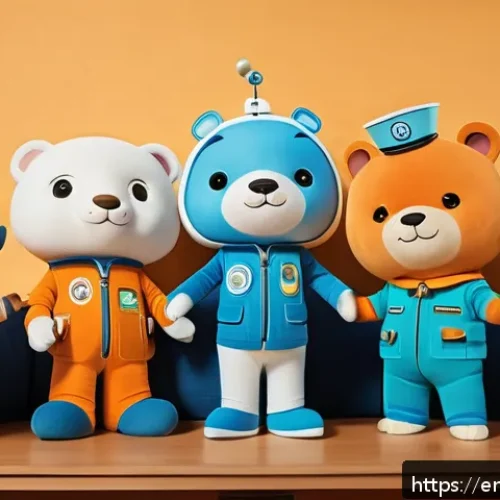
We need content that doesn’t just entertain but truly educates, paving the way for a generation that cares deeply about our natural world. So, you know Captain Barnacles and his crew are always off on incredible missions, rescuing creatures and protecting marine habitats.

But what if I told you that the truly amazing events depicted in the show aren’t just figments of someone’s imagination? Having personally delved deep into the fascinating world of marine biology myself, I can tell you that many of those ‘fictional’ adventures are actually rooted in astonishing real-life phenomena and the incredible adaptations of ocean wildlife.

It’s absolutely mind-blowing to discover how real-world creatures and natural events sparked the creation of such a beloved series. Let’s dive in and uncover the spectacular real-life inspirations behind the Octonauts!

Unmasking the Deep-Sea’s Hidden Wonders

옥토넛의 영감을 준 자연 사건 - **Deep-Sea Bioluminescent Wonders:**
    An awe-inspiring, hyperrealistic depiction of the deep-sea ...

You know, there’s just something about the ocean’s depths that has always captivated me. I mean, thinking back to some of the Octonauts’ most thrilling missions, especially those involving creatures from the abyssal zone, it really got me wondering about what’s actually down there in the real world. My personal dives have only taken me so far, but the sheer vastness and mystery of the deep sea are just incredible. What’s truly mind-blowing is how the show manages to bring these almost alien-like environments to life, showcasing creatures with extraordinary adaptations that seem straight out of a sci-fi novel. From bioluminescent fish that create their own light to incredibly resilient organisms thriving near hydrothermal vents, the deep sea is a treasure trove of life that continues to challenge our understanding of biology and ecology. It’s a stark reminder that even with all our advanced technology, a huge part of our planet remains largely unexplored, holding secrets we’re only just beginning to uncover. This sense of awe and discovery is something I truly believe the Octonauts captures beautifully, inspiring kids to think about the unexplored frontiers right here on Earth.

Illuminating the Abyss: Bioluminescence Explained

One of the most striking things about deep-sea creatures, and something I always found fascinating in the Octonauts, is their incredible ability to produce their own light. When I first learned about bioluminescence, it felt like magic! Imagine living in a world of perpetual darkness, yet being able to glow, flash, or even create intricate light shows. This isn’t just for looking cool; it’s a vital survival tool. Many creatures use it to attract mates, lure prey, or even scare off predators by suddenly flashing a bright light. It’s like their own personal flashlight and warning signal combined. I remember watching a documentary once about anglerfish, and seeing their bioluminescent lure in action was absolutely captivating. It’s a brilliant example of evolution at its finest, showing how life finds a way to adapt and thrive even in the most extreme conditions.

Venturing into Hydrothermal Havens

The concept of life flourishing in seemingly impossible conditions is another theme that resonates deeply from the show. For me, the hydrothermal vents are one of the most astonishing real-world parallels to some of the unique habitats the Octonauts explore. These are cracks in the seafloor where superheated, mineral-rich water bursts out, creating an environment that would be toxic to most life forms. Yet, around these vents, entire ecosystems thrive, powered not by sunlight but by chemosynthesis. This means organisms convert chemicals from the vents into energy, forming the base of a unique food web. I’ve read so much about the giant tube worms, vent crabs, and strange shrimp that call these places home, and it’s always left me in absolute wonder. It just goes to show you how diverse and resilient life on Earth truly is, and it makes you think about what other incredible forms of life might exist in our oceans.

The Genius of Marine Camouflage and Evasion

Whenever I see an Octonauts episode where they’re trying to find a camouflaged creature, I always get a little thrill because I know just how incredible real-life marine camouflage is. It’s not just about blending in; it’s an art form! I’ve had countless moments during snorkeling and diving trips where I’ve completely missed a fish or an octopus until it suddenly moved, and then BAM – there it was, right in front of me. It’s truly astonishing how some creatures can change their skin texture and color in an instant to match their surroundings perfectly. This isn’t just a party trick; it’s crucial for both hunting and avoiding becoming dinner. The ocean is a dynamic environment, and these creatures have mastered the skill of disappearing into their backdrop, making them almost invisible to predators and prey alike. It’s a constant reminder of the incredible evolutionary pressures at play beneath the waves, shaping every aspect of marine life.

Masters of Disguise: Cephalopod Chameleon Tricks

When it comes to marine camouflage, my mind immediately goes to cephalopods – octopuses, squids, and cuttlefish. Honestly, these guys are the undisputed champions! I’ve been mesmerized watching videos of cuttlefish changing their patterns and colors faster than I can blink, almost like a living LED screen. They can not only match the color of rocks, sand, or coral, but also mimic the texture, creating bumps and ridges to blend in seamlessly. It’s not just for hiding; I’ve learned that they use these incredible displays for communication and even hypnosis. Imagine being able to flash a pattern that completely confuses a predator, giving you time to escape! It’s an absolutely brilliant survival strategy, and frankly, it always makes me feel like I’m watching a real-life superhero in action.

Stealthy Hunters and Hidden Havens

Beyond the flashy cephalopods, there are so many other marine animals that use incredible forms of camouflage. Take flatfish, for example, like flounders and soles. I’ve often seen them lying perfectly still on the seafloor, almost completely invisible against the sand. Their flat bodies and mottled patterns make them incredibly difficult to spot, whether they’re waiting to ambush an unsuspecting meal or hiding from a larger predator. Then there are creatures like decorator crabs, who literally pick up bits of their environment – sponges, anemones, seaweed – and attach them to their shells to create a living disguise. It’s a fantastic example of using external tools for survival, and I’ve always been fascinated by their ingenuity. These aren’t just simple tricks; they’re sophisticated adaptations that highlight the endless creativity of nature.

Advertisement

The Power of Underwater Partnerships

One of the things that always makes me smile while watching the Octonauts is how often they emphasize teamwork and cooperation among different species. And let me tell you, that’s not just for the show! The real ocean is brimming with incredible examples of marine animals working together in ways that benefit everyone involved. I’ve personally witnessed cleaner wrasse darting around larger fish, meticulously removing parasites, and it’s always a fantastic sight. It makes you realize that survival isn’t always about competition; sometimes, it’s about forming alliances. These symbiotic relationships are not just cute; they’re often essential for the health and survival of entire ecosystems. It reminds me that even in our own lives, collaboration often leads to the most successful outcomes. The more I learn about these underwater partnerships, the more I appreciate the intricate balance of marine life.

Cleaner Crew: The Ocean’s Sanitation Experts

The cleaner fish, especially the cleaner wrasse, are truly the unsung heroes of the reef. I remember a particularly vivid moment during a dive where I saw a huge moray eel, which can look pretty intimidating, open its mouth wide to allow tiny wrasse to swim right inside and clean its teeth. It was an incredible display of trust and mutual benefit! The wrasse get a meal by eating parasites and dead skin, and the larger fish get a much-needed spa treatment. This isn’t just a casual interaction; many fish actually queue up at “cleaning stations” on the reef, waiting for their turn. It’s a perfect example of a symbiotic relationship where both parties gain something crucial for their well-being. It’s like the ocean’s own perfectly organized dental and dermatology clinic!

Anemone Homes and Clownfish Companions

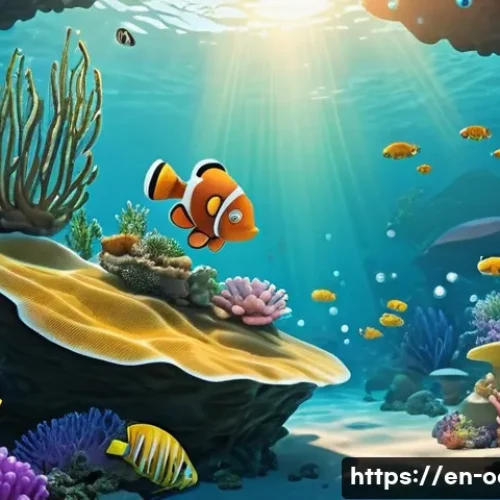
And who can forget the classic pairing of the clownfish and the sea anemone? Every time I think about it, I’m struck by the sheer cleverness of nature. Most fish would be instantly stung by an anemone’s tentacles, but clownfish have a special mucous coating that protects them. In return for a safe home among the stinging tentacles, where they’re protected from predators, the clownfish often chase away butterflyfish that might try to eat the anemone. I’ve seen clownfish fiercely defending their anemone home, and it’s always an inspiring sight. It’s a brilliant example of mutualism, where two seemingly different creatures have evolved to live together in a way that provides significant advantages to both. It really makes you appreciate the diverse strategies life employs to thrive.

Engineering Marvels of the Ocean Floor

You know, some of the most overlooked aspects of the ocean are the incredible structures built by its inhabitants. When I think about the Octonauts encountering amazing underwater landscapes, I often connect it to the real-life architects of the sea. It’s not just about fish swimming around; it’s about entire ecosystems being built and maintained by marine organisms. From the colossal structures of coral reefs to the intricate burrows of various invertebrates, these natural constructions play a pivotal role in shaping habitats and providing shelter for countless species. I’ve always been amazed by the sheer scale and complexity of these underwater ‘cities.’ They’re not just beautiful; they’re vital for the health of our oceans, providing homes, breeding grounds, and protection. It’s a testament to the fact that every creature, no matter how small, can have a massive impact on its environment.

The Living Cities: Coral Reef Ecosystems

Coral reefs are, without a doubt, the most spectacular examples of natural engineering in the marine world. I mean, these aren’t just pretty rocks; they’re massive structures built by tiny, delicate animals called polyps, which have accumulated over thousands of years. They’re often called the “rainforests of the sea” because they support an incredibly diverse array of life, providing food and shelter for a quarter of all marine species. My first experience diving on a healthy coral reef was absolutely breathtaking – the vibrant colors, the bustling activity, the sheer number of different fish and invertebrates was overwhelming in the best possible way. It made me understand why the Octonauts often highlight the importance of protecting these fragile ecosystems. Losing them would be like losing entire cities, with devastating consequences for marine biodiversity.

Constructing and Maintaining Underwater Homes

Beyond the grand scale of coral reefs, countless other marine creatures are busy building and maintaining their own smaller, yet equally important, structures. Think about the intricate burrows created by various worms, crabs, and shrimp in the seafloor. These aren’t just holes in the sand; they’re carefully constructed homes that provide protection from predators and strong currents. I’ve even seen goby fish and snapping shrimp sharing a burrow, with the nearly blind shrimp digging and the goby acting as a lookout – another fantastic example of an underwater partnership! Then there are creatures like the honeycomb worm, which builds massive colonies of sand tubes, creating mini-reefs that stabilize the seabed and provide shelter for other small organisms. It’s a constant construction project beneath the waves, with every builder playing a role in maintaining the delicate balance of the marine environment.

Advertisement

Charting the Ocean’s Great Migrations

The epic journeys undertaken by some marine animals always make me think of the Octonauts embarking on their long-distance missions. It’s one thing to travel across a small bay, but entirely another to navigate entire oceans! I’ve always been fascinated by the sheer endurance and navigational prowess of creatures that undertake these incredible migrations. Whether it’s whales traveling thousands of miles to breeding grounds or sea turtles returning to the very beaches where they hatched, these journeys are fraught with challenges and dangers. It highlights the vastness of our oceans and the incredible, often mysterious, ways in which marine life adapts to its environment. When I see an episode depicting a creature migrating, I can’t help but think about the real-world science behind how they find their way, and the monumental effort involved. It’s a truly humbling aspect of marine biology.

Whale Road Trips: Epic Journeys of Giants

When we talk about marine migrations, the first thing that often comes to mind are the majestic whales. I mean, imagine traveling thousands of miles every year, from feeding grounds in colder, nutrient-rich waters to warmer breeding grounds and back again. Humpback whales, for instance, undertake some of the longest migrations of any mammal, and it’s truly an awe-inspiring feat. I’ve been lucky enough to see humpbacks breach, and the power and grace of these animals are simply unforgettable. Scientists believe they use a combination of cues, including the Earth’s magnetic field, ocean currents, and even sound, to navigate their way across vast expanses of open water. It’s a journey filled with danger, but it’s absolutely essential for their survival and reproduction. These incredible journeys are a testament to the enduring spirit of life in the ocean.

Sea Turtle Odysseys: A Lifelong Quest

옥토넛의 영감을 준 자연 사건 - **Master of Marine Camouflage: The Cuttlefish:**
    A detailed, photorealistic image of a cuttlefis...

Sea turtles are another species whose migrations have always captivated me. The fact that female sea turtles often return to the exact beach where they hatched, decades later, to lay their own eggs, is nothing short of miraculous. It’s a lifelong journey, fraught with perils from the moment they emerge from their nests as tiny hatchlings. They spend years navigating vast oceanic currents, avoiding predators, and searching for food, only to return to a very specific patch of sand. How do they do it? Research suggests they also use the Earth’s magnetic field as a sort of internal GPS. I’ve had the privilege of seeing sea turtles gliding gracefully through the water, and there’s just something so ancient and resilient about them. Their incredible migrations underscore the need for international conservation efforts to protect their nesting beaches and oceanic pathways.

The Ocean’s Symphony: Marine Communication

You know, for a long time, people thought the ocean was a relatively quiet place, but my experiences and what I’ve learned from the Octonauts have shown me just how wrong that idea is! The underwater world is actually incredibly noisy, filled with a cacophony of clicks, whistles, grunts, and songs. It’s a full-blown symphony of communication, and it’s absolutely fascinating to think about how marine animals use sound to navigate, hunt, communicate, and even socialize. From the complex songs of humpback whales that can travel for miles to the rapid-fire clicks of dolphins using echolocation, sound is a vital sense in an environment where visibility can often be limited. It makes me wonder about all the conversations happening just beneath the surface that we can’t even perceive. The more we understand these intricate forms of communication, the more we can appreciate the intelligence and social complexity of marine life.

Echolocation: Nature’s Sonar System

One of the most incredible forms of marine communication and navigation is echolocation, particularly mastered by dolphins and toothed whales. I remember being blown away when I first learned about how they emit high-frequency clicks and then interpret the echoes that bounce back. It’s like having a built-in sonar system, allowing them to create a detailed mental map of their surroundings, even in murky waters or complete darkness. They can pinpoint the location of prey, navigate around obstacles, and even communicate with each other using these precise sonic pulses. It’s an absolutely mind-boggling sensory adaptation, and it highlights just how advanced these animals are. Seeing footage of dolphins using echolocation to hunt always reminds me that there’s so much more to the ocean than what meets the eye, or in this case, the ear!

Whale Songs and Underwater Dialogues

And then there are the songs of the great whales, particularly humpbacks. These aren’t just random sounds; they are incredibly complex, structured sequences that can last for hours and travel for hundreds, if not thousands, of miles across the ocean. I’ve been fortunate enough to hear recorded whale songs, and they are truly haunting and beautiful. While the exact purpose of these songs is still a subject of scientific research, it’s widely believed they play a crucial role in mating rituals, communication, and possibly even navigation. It’s like listening to an ancient, ongoing conversation that spans entire ocean basins. The sheer effort and complexity involved in producing and interpreting these sounds demonstrate a level of sophistication that really challenges our understanding of animal intelligence. It reminds me that the ocean holds secrets to communication that we’re only just beginning to decipher.

Advertisement

Protecting Our Blue Planet: Real-Life Rescues

While the Octonauts always manage to save the day, the real-life challenges and rescue efforts in our oceans are often far more complex and heartbreaking. It really drives home the importance of conservation and the tireless work of marine biologists and environmentalists around the world. I’ve followed stories of entangled whales being freed from fishing nets, rescued sea turtles recovering from plastic ingestion, and injured seals receiving vital care. These aren’t just cartoon adventures; they’re incredibly difficult, dangerous, and often deeply emotional operations carried out by dedicated individuals. It truly makes me reflect on our impact on the marine environment and the responsibility we have to protect these vulnerable creatures. The show does an excellent job of subtly instilling this sense of responsibility in young viewers, which I think is absolutely critical for the future of our oceans.

Combating Ocean Pollution: A Constant Battle

One of the biggest challenges marine life faces, which unfortunately often necessitates human intervention, is pollution. From massive oil spills to the insidious spread of microplastics, our oceans are under immense pressure. I’ve personally seen the heartbreaking images of marine animals suffering from plastic entanglement or ingesting debris, and it’s a stark reminder of our collective impact. Real-life rescue organizations are constantly on the front lines, responding to these emergencies, cleaning up polluted areas, and rehabilitating injured animals. It’s a huge undertaking, and it often feels like an uphill battle, but every single rescue makes a difference. It motivates me to try and reduce my own plastic consumption and support initiatives aimed at keeping our oceans clean. We all have a role to play in preventing these tragic situations in the first place.

Saving Stranded Giants and Injured Lives

Another area where real-life heroics shine is in the rescue of stranded marine mammals, like whales and dolphins, or injured sea turtles. These events often require immense coordination, specialized equipment, and a deep understanding of marine biology. I’ve read about the incredible efforts of teams working together to refloat a massive whale that has beached itself, or to carefully remove a deeply embedded fishing hook from a struggling sea turtle. These are high-stakes operations that require immense skill and compassion. The dedication of these rescue teams is truly inspiring, and it’s a powerful testament to humanity’s growing commitment to protecting marine biodiversity. It reminds us that while the challenges are great, there are always people working tirelessly to make a positive difference.

The Future of Ocean Exploration and Conservation

After diving deep into all these amazing real-world inspirations behind the Octonauts, it really gets me thinking about what the future holds for ocean exploration and conservation. It’s clear that shows like this aren’t just entertainment; they’re sparking genuine curiosity and a sense of responsibility in the next generation. I’ve always felt that the best way to protect something is to understand it, and the Octonauts really nails that by making marine science accessible and exciting. The advancements in underwater technology, from remotely operated vehicles (ROVs) to autonomous underwater vehicles (AUVs), are opening up new frontiers for discovery, allowing us to explore even the most remote and extreme parts of our oceans. It’s an exhilarating time to be a marine enthusiast, and I’m genuinely optimistic about the potential for groundbreaking discoveries and more effective conservation strategies in the years to come. Our blue planet is still full of surprises, and I can’t wait to see what we uncover next.

Innovative Tools for Deep Sea Discovery

The tools we now have for exploring the ocean depths are truly incredible, making some of the Octonauts’ high-tech gadgets seem almost commonplace! I’ve been following the development of new ROVs and AUVs, which can dive deeper, stay underwater longer, and collect more data than ever before. These robotic explorers are allowing scientists to map the seafloor in unprecedented detail, discover new species in extreme environments, and monitor the health of deep-sea ecosystems without putting human divers at risk. It’s like having a fleet of miniature Octopod vehicles exploring every corner of our planet’s largest habitat. The data they collect is absolutely vital for understanding climate change, discovering new pharmaceutical compounds, and generally expanding our knowledge of life on Earth. It’s a testament to human ingenuity and our insatiable desire to explore the unknown.

Citizen Science: Empowering the Next Generation

What really excites me about the future, and something I think the Octonauts perfectly embodies, is the growing role of citizen science in marine conservation. It’s not just about professional scientists anymore; everyone can contribute! I’ve seen countless initiatives where everyday individuals, from beachcombers to recreational divers, can report sightings, collect data on marine debris, or participate in restoration projects. This collective effort is incredibly powerful, providing scientists with vast amounts of data that would be impossible to gather otherwise. It empowers people to become active stewards of the ocean, fostering a deeper connection and sense of ownership. Encouraging kids, inspired by shows like the Octonauts, to get involved in simple citizen science projects is, in my opinion, one of the best ways to ensure a healthier future for our marine environments. Every pair of eyes and every helping hand makes a difference.

Octonauts Theme Real-Life Marine Inspiration Why It Matters for Conservation
Rescuing trapped creatures Marine mammal entanglement in fishing gear; oil spill response Highlights human impact and the critical need for clean oceans and responsible fishing practices.
Exploring extreme environments Deep-sea hydrothermal vents; polar ice caps Showcases the resilience of life and the unique adaptations of organisms in harsh conditions, urging protection of these fragile habitats.
Creature camouflage and mimicry Octopus skin changes; flatfish blending with sand Demonstrates incredible evolutionary strategies, teaching appreciation for biodiversity and natural defenses.
Symbiotic relationships Clownfish & anemone; cleaner wrasse & larger fish Illustrates how species cooperate for mutual benefit, emphasizing the interconnectedness of marine ecosystems.
Long-distance migrations Whale and sea turtle journeys Underscores the vastness of oceanic habitats and the need for international cooperation to protect migratory routes and breeding grounds.
Advertisement

글을 마치며

So, after this exciting journey through the real-world wonders inspired by shows like the Octonauts, I hope you feel as captivated as I do about our incredible oceans. It’s a world brimming with secrets, breathtaking beauty, and life forms that constantly defy our expectations. Every little piece of knowledge we gain, and every small action we take, truly contributes to protecting this magnificent blue planet for generations to come. Let’s keep exploring, learning, and caring for the ocean we all share!

알아두면 쓸모 있는 정보

1. Embrace Sustainable Seafood Choices: One of the most direct ways we, as consumers, can make a positive impact is by being mindful of our seafood choices. When you’re at the grocery store or a restaurant, actively look for certifications like the Marine Stewardship Council (MSC) or consult guides such as the Monterey Bay Aquarium’s Seafood Watch. These invaluable resources help you identify seafood that has been caught or farmed responsibly, ensuring that fish populations remain healthy and marine ecosystems are protected from overexploitation. Making this simple shift in your purchasing habits collectively has a huge, positive ripple effect, helping to preserve delicate ocean habitats for future generations. Your plate can genuinely be a part of the solution!

2. Drastically Reduce Single-Use Plastics: It’s a sad but undeniable truth that a staggering amount of ocean pollution comes from single-use plastics. From plastic bags and straws to disposable bottles and packaging, these items break down into microplastics that harm marine life and entire ecosystems. I’ve personally seen the devastating effects on beaches and in conservation efforts. Making a conscious effort to opt for reusable bags, water bottles, coffee cups, and food containers is an incredibly impactful step. Even small, consistent changes in your daily routine can significantly minimize your personal plastic footprint and help stem the tide of plastic flowing into our precious oceans.

3. Connect with Local Marine Life and Habitats: Understanding and appreciating the marine life in your local area, whether it’s nearby oceans, lakes, or even rivers, can ignite a profound sense of stewardship. Spend time learning about the native species, their unique behaviors, and the specific habitats they rely on. Many local aquariums, nature centers, or conservation groups offer educational programs and volunteer opportunities. The more you know about the creatures and ecosystems right on your doorstep, the more inspired you’ll be to support local conservation efforts and protect the biodiversity that thrives close to home.

4. Actively Participate in Beach and Waterway Cleanups: Joining local beach or waterway cleanup events is not just a tangible way to help; it’s an incredibly rewarding experience. Seeing the amount of trash that can accumulate and then removing it with your own hands truly drives home the impact of pollution and the importance of collective action. Beyond making an immediate difference, it’s also a fantastic way to meet like-minded individuals who share your passion for environmental protection. Many organizations host regular cleanups, making it easy to get involved and contribute to healthier, cleaner aquatic environments for both wildlife and people to enjoy.

5. Become an Advocate and Educate Others: Knowledge is power, and sharing what you learn about ocean conservation is one of the most impactful things you can do. The more people understand the intricate challenges facing our oceans, from climate change to habitat destruction, the more widespread support there will be for effective conservation strategies. Shows like the Octonauts are just the beginning, sparking curiosity in young minds – but there’s a whole world of discovery and advocacy waiting! Engage in conversations, share informative articles, and inspire those around you to take an interest in marine health. Every voice adds to the chorus advocating for a healthier blue planet.

Advertisement

중요 사항 정리

The ocean is an unparalleled realm of marvels, showcasing everything from captivating bioluminescence and epic migrations to sophisticated forms of marine communication. It’s a place where life thrives in the most unexpected and ingenious ways, demonstrating incredible resilience and adaptation. Our continued exploration, coupled with our unwavering commitment to thoughtful conservation and responsible actions, are absolutely vital to safeguarding these extraordinary wonders for all time. Let’s all be the dedicated stewards our magnificent blue planet truly deserves.

Frequently Asked Questions (FAQ) 📖

Q: Are the incredible sea creatures and their unique abilities shown in Octonauts truly based on real marine life?

A: Oh, absolutely! This is one of my favorite things about the show! When I first started watching Octonauts with my niece, I was constantly pausing to explain, “Hey, that creature is real!” The creators have done such a fantastic job of taking real marine animals and highlighting their most astonishing adaptations.
Take the mimic octopus, for example, which the show features brilliantly. In real life, these clever cephalopods truly can impersonate other sea creatures, like lionfish or sea snakes, to avoid predators.
And those gigantic colossal squid they encounter? They are very real, inhabiting the deep, dark parts of the ocean, with eyes the size of dinner plates!
Even the way certain fish glow or the specialized hunting techniques of sharks are often spot-on. Of course, the show sometimes exaggerates for entertainment – a real triggerfish probably won’t use a wrench to fix the Octopod!
– but the core biological facts about the animals are surprisingly accurate and designed to spark genuine curiosity. It’s like a secret lesson embedded in every adventure, and I’ve personally seen how it encourages kids (and adults!) to look up these amazing animals after an episode.

Q: Do real marine biologists and oceanographers really embark on the same kind of adventurous rescue and exploration missions as the Octonauts?

A: You bet they do, though maybe with a little less dramatic flair and often a lot more paperwork! As someone who’s spent time observing and learning about marine conservation efforts, I can tell you that the spirit of adventure and dedication that the Octonauts embody is 100% real in the world of marine biology.
While we might not have a Gup-A for every occasion, real scientists use sophisticated submersibles, ROVs (Remotely Operated Vehicles), and research vessels to explore unknown depths, monitor ocean health, and study elusive species.
Think about the deep-sea expeditions that discover new hydrothermal vents and the unique life forms around them – that’s pure Octonauts-level exploration!
And when it comes to rescues, marine mammal stranding networks are constantly working to save injured whales, dolphins, and seals, rehabilitating them and releasing them back into the wild.
It’s incredibly challenging, often dangerous work, but the commitment to protecting marine life is just as strong as Captain Barnacles’ resolve. It truly gives me goosebumps to see the passion that fuels these real-life heroes, who are, in many ways, our very own Octonauts!

Q: How realistically does Octonauts portray environmental problems and offer solutions that mirror real-world conservation efforts?

A: This is where Octonauts truly shines, in my opinion, and aligns so perfectly with what I believe is crucial for the next generation. The show tackles serious environmental issues, like coral bleaching, plastic pollution, and overfishing, in a way that’s digestible and inspiring for young viewers.
For example, when they talk about coral reefs being sick, it’s a simplified but accurate representation of real coral bleaching events caused by rising ocean temperatures.
Their missions to clean up debris or relocate creatures to safer habitats directly reflect actual conservation initiatives. Real-world marine conservationists are constantly working to establish marine protected areas, develop sustainable fishing practices, and organize massive clean-up operations to combat ocean plastic.
While the solutions in the show are often wrapped up neatly in a single episode, the underlying principles – understanding the problem, collaborating to find a solution, and taking action to protect the environment – are exactly what environmental scientists and activists advocate for every single day.
I’ve witnessed how a single episode about a sea turtle tangled in plastic can spark a child’s desire to recycle, and that, to me, is the show’s greatest triumph and a massive win for our oceans.