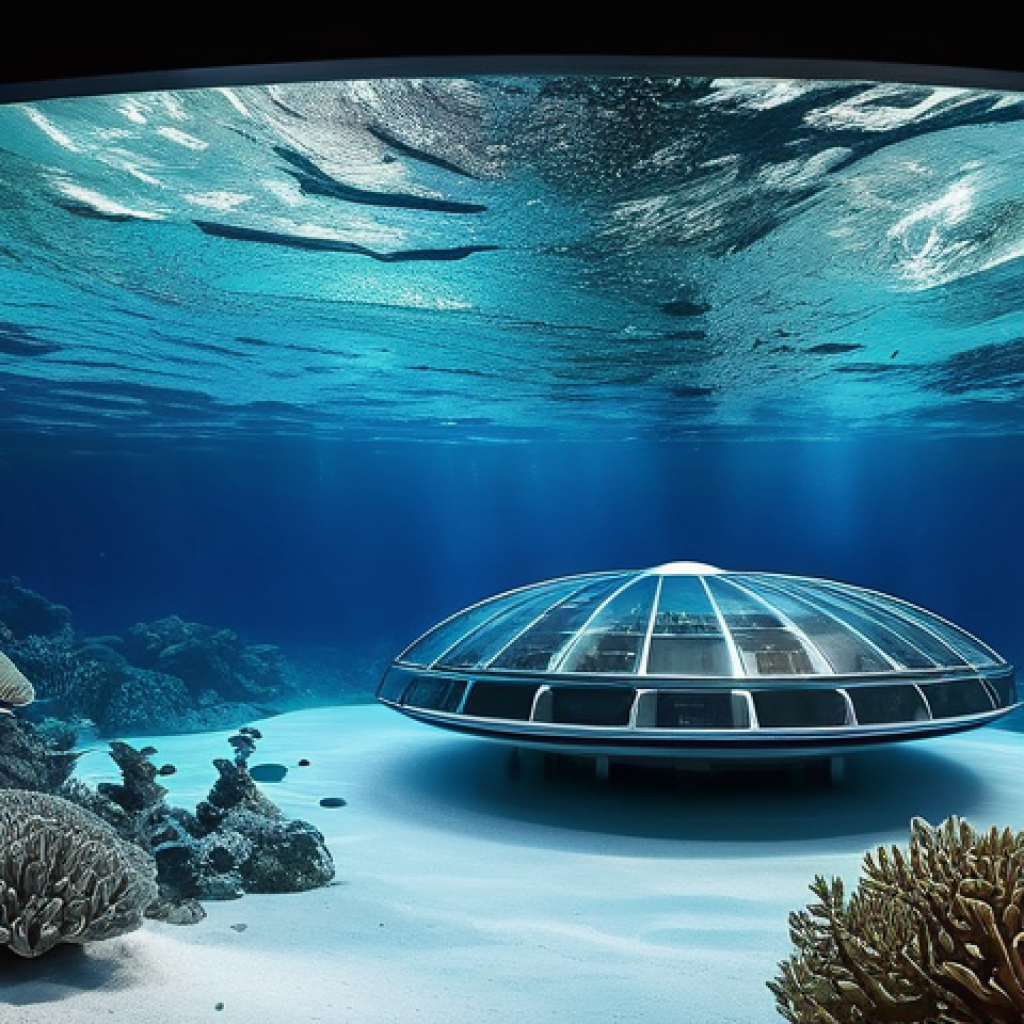
Okay, let’s be real – who hasn’t secretly envied the Octonauts’ incredible underwater base, the Octopod? As someone who’s always been fascinated by unique architectural designs and a huge fan of the show, I’ve often found myself thinking, “Wow, that’s genuinely brilliant engineering!” It’s not just a fun cartoon setting; this mobile marvel actually showcases some cutting-edge concepts we see in modern sustainable architecture and smart, adaptable living spaces.
From its ingenious layout maximizing efficiency to its surprising resilience in deep-sea environments, the Octopod offers a fascinating glimpse into what future underwater habitats could look like, perfectly aligning with our world’s growing need for innovative, eco-friendly structures.
Let’s dive deep and uncover the architectural genius behind it!
Modular Marvels: The Power of Adaptable Design
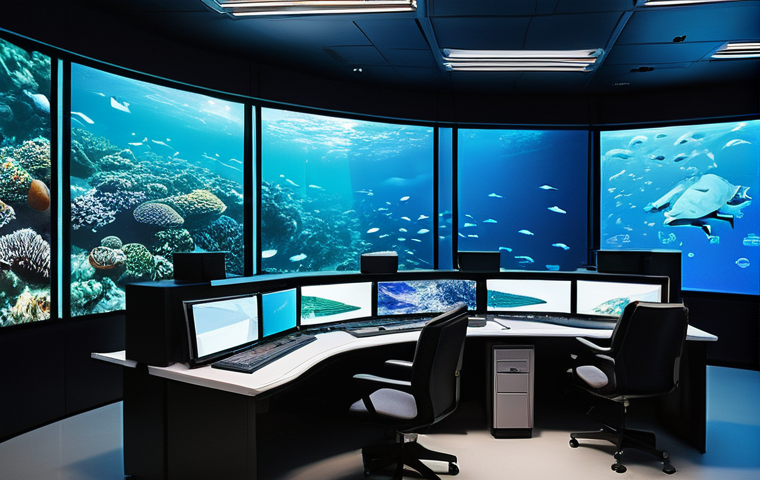
You know, when I first started really looking at the Octopod, what struck me immediately was its incredible modularity. It’s not just a big, clunky base; it feels like a LEGO set for grown-ups, but one that can literally dive deep into the ocean. I’ve always been a huge advocate for design that can evolve, that isn’t static, and the Octopod absolutely nails this. Think about it: its components seem designed to be assembled, disassembled, and reconfigured as needed, much like modern prefabricated housing units that are gaining traction in sustainable urban planning. This approach isn’t just about convenience; it’s a brilliant strategy for resource efficiency and adaptability. Imagine a real-world scenario where a sudden environmental shift requires a research outpost to relocate or expand – a traditionally built structure would be a nightmare to adapt, but something built with the Octopod’s inherent flexibility could be re-engineered on the fly. This level of foresight in design truly excites me, and it’s a concept that I believe holds immense potential for future human habitats, especially as we look towards more dynamic living environments, whether on land, underwater, or even off-world. It’s about building smarter, not just bigger, ensuring longevity and responsiveness to an ever-changing world, something I wish more of our current infrastructure could emulate. I genuinely believe that this kind of adaptable architecture is the future, allowing us to build communities that can truly grow and change with us.
Plug-and-Play Living: The Octopod’s Expandable Nature
One of the most impressive aspects of the Octopod is how it seamlessly integrates various pods and modules for different functions. It’s not just a single, monolithic structure, but rather a hub that can connect to specialized labs, vehicle bays, and even living quarters as needed. I’ve personally seen similar concepts in sustainable architecture, where core structures are built with “docking stations” for add-on modules, allowing residents or researchers to customize their space without undertaking massive renovations. This “plug-and-play” model drastically reduces construction waste and allows for tailored environments. For instance, if the Octonauts need a specific research lab for analyzing a new deep-sea creature, they just attach the relevant pod. This is a game-changer for specialized, dynamic environments, offering unparalleled flexibility compared to traditional, rigid building methods. It’s a vision of architecture that’s less about permanence and more about performance and personalization, something truly revolutionary in the context of extreme environments. I’m always thinking about how this could be applied to urban living, where spaces could be reconfigured for different uses throughout the day or year, maximizing efficiency and minimizing unused space. It genuinely feels like a blueprint for living that actively responds to our needs.
Optimizing Space: Every Inch Has a Purpose
Walking through the Octopod (in my imagination, of course!), you get the sense that absolutely no space is wasted. Every console, every access panel, every storage compartment seems perfectly placed and serves a clear function. This meticulous spatial planning is a hallmark of excellent design, particularly in compact or specialized environments. It reminds me of the ingenious layouts you see in tiny homes or even luxury yachts, where designers have to be incredibly clever to maximize utility and comfort within a limited footprint. The Octopod takes this to an extreme, showcasing how thoughtful design can create a highly functional and efficient habitat, even with a relatively small internal volume. There’s a brilliant blend of communal areas and individual workstations, all without feeling cramped. It’s a masterclass in making the most of what you have, and a stark contrast to many sprawling, inefficient modern buildings I’ve encountered. I’ve often found myself sketching out ideas based on its principles, thinking about how to make my own living space more efficient and less cluttered. It’s truly inspiring to see how a well-designed space can elevate both productivity and quality of life, a lesson many architects could learn from this fictional marvel.
Eco-Conscious Engineering: Sustaining the Deep
The Octopod, despite its fantastical nature, brilliantly exemplifies principles of sustainable engineering that are more relevant than ever today. Its ability to operate autonomously, seemingly drawing on the ocean’s resources without causing harm, is something I find profoundly inspiring. We’re constantly talking about “closed-loop systems” and “zero-waste initiatives” in real-world eco-architecture, and the Octopod embodies these concepts in a fascinating way. Imagine a structure that recycles its own water, generates its own energy, and manages its waste without external dependencies. That’s the dream for truly sustainable living, and the Octopod provides a compelling visual of how it could function. It’s not just about minimizing impact; it’s about becoming an integrated part of the environment, a symbiotic relationship rather than a parasitic one. This kind of thoughtful design, where the habitat supports itself and its inhabitants while respecting its surroundings, is exactly what we need to strive for as we face pressing environmental challenges. When I see it smoothly navigating the ocean currents, I can’t help but think about how our future cities could operate with such grace and efficiency, truly living in harmony with nature rather than against it. It’s a powerful reminder that innovative engineering can go hand-in-hand with environmental stewardship, creating spaces that are both advanced and responsible.
Resource Recycling: A Closed-Loop Vision
One of the quiet heroes of the Octopod’s design is its implicit system for resource management. While not explicitly detailed, it’s clear that such a self-sustaining underwater base would need robust water filtration, air purification, and possibly even waste conversion systems. This reflects a cutting-edge approach to sustainable building, where materials and resources are continuously recycled within the structure, minimizing external inputs and outputs. I’ve toured several LEED-certified buildings that employ advanced greywater recycling and air exchange systems, and the Octopod feels like a hyper-efficient extension of these ideas. It’s about designing a habitat that can thrive independently, reducing its ecological footprint to almost zero. This concept is crucial for any long-term habitation in extreme environments, be it under the sea or in space, but it also offers valuable lessons for terrestrial architecture. By thinking about how buildings can become self-sufficient ecosystems, we can drastically reduce our reliance on centralized utilities and create more resilient communities. I often find myself thinking about how much energy and water we could save if our homes and offices were designed with this same level of closed-loop efficiency. It’s a reminder that truly intelligent design considers every single input and output.
Energy Independence: Harnessing the Environment
For an underwater base to operate continuously, it needs a reliable and independent power source. The Octopod, with its glowing accents and advanced equipment, suggests an ingenious method of energy generation, likely harnessing geothermal, tidal, or even pressure differentials found in the deep ocean. This concept of environmental energy harvesting is at the forefront of renewable energy research today. I’ve been fascinated by projects exploring wave energy converters and deep-sea thermal vents as potential power sources, and the Octopod feels like a successful realization of these ambitious goals. It’s about not just surviving in an environment, but *thriving* by integrating with it and drawing sustenance from it in a non-invasive way. This level of energy independence is not only sustainable but also provides incredible resilience against external disruptions. Imagine a home that can power itself entirely from its surroundings – no utility bills, no carbon footprint from energy generation. That’s the utopian vision the Octopod subtly projects, and it’s a powerful reminder of how much potential lies in innovative, environmentally symbiotic engineering. It’s a future I genuinely believe we can build towards, making our reliance on fossil fuels a distant memory.
Smart Habitats: Tech Integration for Underwater Living
Stepping inside the Octopod, one can’t help but be impressed by the sheer amount of technology seamlessly integrated into its structure. It’s not just a collection of gadgets; it’s a holistic smart habitat where every system works in concert to support the Octonauts’ mission. This level of intelligent design, where technology enhances functionality without being obtrusive, is what I envision for the smart homes and smart cities of tomorrow. From the automated navigation systems to the real-time environmental monitoring, the Octopod operates with a precision and responsiveness that many of our current smart buildings are still striving for. It’s a testament to how technology, when thoughtfully applied, can transform a living space into a highly efficient and dynamic operational hub. I’ve personally experienced the frustrations of disjointed smart home systems, where devices from different manufacturers refuse to communicate, so seeing the Octopod’s smooth integration is genuinely inspiring. It highlights the importance of a unified operating system and intuitive interfaces for making technology truly useful. This isn’t just about having cool gadgets; it’s about creating an environment that intelligently responds to the needs of its inhabitants and the demands of its mission, making life easier and operations more effective. It’s the kind of effortless integration that many tech companies promise, but few truly deliver.
Intuitive Control Systems: A Commander’s Dream
The central command center of the Octopod is a marvel of ergonomic and intuitive design. Everything from the holographic displays to the multi-functional control panels appears to be designed for immediate understanding and efficient operation. This user-centric approach to complex systems is something I preach constantly when advising on digital interfaces and smart building controls. If a system is difficult to learn or cumbersome to use, its technological prowess is wasted. The Octopod shows how advanced functionality can be paired with simplicity, allowing the Octonauts to react quickly and effectively to any underwater challenge. It’s not just about pushing buttons; it’s about a seamless interaction between human and machine, where the technology becomes an extension of the user’s will. I’ve always appreciated good UI/UX design, and the Octopod’s command center strikes me as a perfect example of how to make sophisticated technology accessible and actionable. It really makes you think about how many frustrating experiences we could avoid in our daily lives if designers prioritized clarity and ease of use as much as the Octopod’s creators clearly did. It’s proof that powerful tech doesn’t have to be complicated.
Environmental Monitoring: Eyes on the Ocean
A crucial aspect of any deep-sea habitat is its ability to continuously monitor its immediate environment, both for safety and for scientific purposes. The Octopod is equipped with an array of sensors and scanners that provide real-time data on everything from water pressure and temperature to marine life activity. This proactive approach to environmental awareness is a cornerstone of intelligent building design. In real-world applications, similar sensor networks are used to optimize energy consumption, predict maintenance needs, and even detect security threats. For the Octopod, this constant stream of information is vital for the safety of its crew and the success of their missions. It transforms the base from a mere shelter into an active participant in its ecosystem, gathering knowledge and responding dynamically. This reminds me of smart city initiatives where sensors monitor traffic flow, air quality, and even waste levels to create more efficient and livable urban spaces. The Octopod’s continuous vigilance is a fantastic example of how integrated sensing can create a truly responsive and safe environment, demonstrating that knowledge is indeed power, especially when you’re thousands of feet below the surface. It’s about building a home that’s aware of its surroundings, always.
A Community Under the Waves: Social Spaces
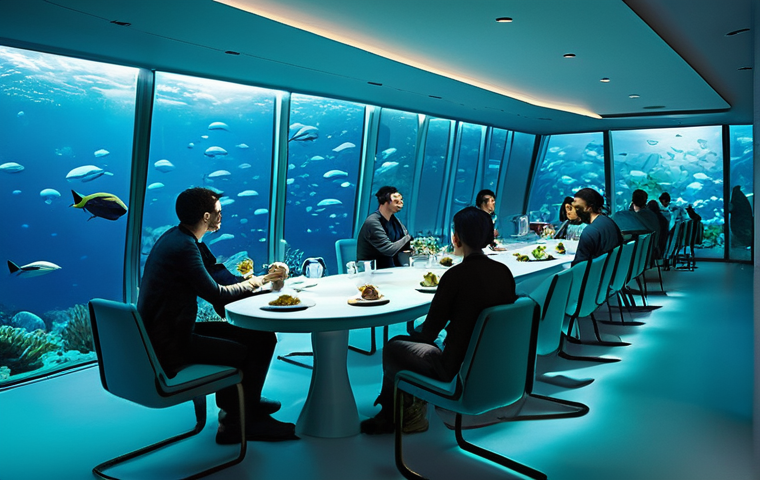
Beyond all the incredible tech and engineering, what truly makes the Octopod feel like a home is its dedication to fostering a sense of community. It’s not just a sterile lab; it’s a living, breathing space where the Octonauts eat, relax, and connect. This focus on communal areas, like the dining mess and the central observation deck, is a vital aspect of human-centric design, even in extreme environments. I’ve always believed that even the most high-tech structures need spaces that encourage interaction and well-being. Without these, a habitat can feel isolating, no matter how advanced it is. The Octopod clearly understands this, providing areas where the crew can unwind, share meals, and simply enjoy each other’s company after a long day of rescuing sea creatures. This thoughtfulness in design, prioritizing the human element alongside functionality, is what elevates it from a mere machine to a true home. It’s a powerful reminder that architecture isn’t just about steel and glass; it’s about creating environments that nurture the people within them. I often see modern office spaces struggle with this, focusing too much on individual workstations and neglecting the vital role of collaborative and social zones. The Octopod gets it right, showing that even in a highly specialized environment, community thrives when given the right space.
The Heart of the Home: The Mess Hall
Every great home has a central gathering place, and for the Octopod, that’s undoubtedly the mess hall. It’s where the crew shares meals, discusses their adventures, and strengthens their bonds. This space, though practical for eating, serves a far greater social purpose. It’s a clear parallel to how crucial dining areas and communal kitchens are in co-living spaces or even traditional family homes. The design encourages interaction, providing a relaxed atmosphere after potentially stressful missions. I’ve always found that the best ideas and deepest connections often happen over a shared meal, and the Octopod’s designers clearly understood this fundamental human need. It’s not just about nourishment for the body, but for the spirit as well. This thoughtful inclusion of a dedicated social space highlights the understanding that even a mission-focused crew needs downtime and opportunities for camaraderie. Many futuristic designs often overlook these softer, human elements, focusing purely on efficiency. But the Octopod reminds us that a truly effective habitat must cater to both our operational needs and our emotional well-being. It’s a subtle touch, but one that makes all the difference in creating a truly habitable and happy environment for its inhabitants.
Observation Deck: Connecting with the World Below
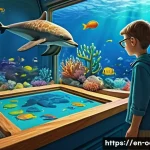
The Octopod’s panoramic observation deck is more than just a window to the ocean; it’s a vital connection to the environment the Octonauts are protecting. This space allows them to marvel at the wonders of the deep, fostering a sense of awe and reinforcing their purpose. In architectural terms, providing compelling views and connecting occupants with nature is a highly valued aspect of biophilic design, known to improve well-being and productivity. For the Octonauts, it’s a constant reminder of the beauty and fragility of the ocean. This deliberate inclusion of a space for contemplation and connection with the outside world is something I find incredibly insightful. It prevents the base from feeling claustrophobic or isolated, instead integrating it with its surroundings. I often look for opportunities to incorporate natural light and views into my own design projects, understanding the profound psychological impact they have. The Octopod’s observation deck serves as both a scientific tool and a spiritual anchor, reminding everyone onboard why they do what they do. It’s a perfect example of how design can inspire and motivate, transforming a functional space into something truly uplifting and meaningful.
Adaptability is Key: Surviving the Unpredictable Ocean
Living in the deep ocean, as the Octonauts do, means constantly facing unpredictable and often extreme conditions. What consistently impresses me about the Octopod is its inherent resilience and adaptability. It’s not just a static structure; it’s designed to navigate currents, withstand immense pressure, and respond to emergencies with remarkable agility. This dynamic adaptability is a critical lesson for all forms of architecture, especially as our planet experiences more volatile weather patterns and environmental changes. The Octopod seems to be built with a “prepare for anything” mindset, featuring robust construction, emergency protocols, and the ability to mobilize quickly. It’s a stark contrast to many of our rigid urban structures that are often ill-equipped to handle unforeseen natural disasters or rapid environmental shifts. The Octopod’s design ethos feels incredibly forward-thinking, emphasizing flexibility and robustness over mere permanence. This proactive approach to design, anticipating challenges and building in the capacity to respond, is something I believe every architect and urban planner should be considering today. It’s about creating structures that don’t just exist *in* an environment, but intelligently interact *with* it, capable of weathering whatever comes their way. It genuinely feels like a blueprint for survival and thriving in a world that’s constantly throwing curveballs at us.
Responding to the Unexpected: Emergency Protocols
Any advanced habitat in a high-risk environment needs comprehensive emergency protocols, and the Octopod clearly has them integrated into its core design. From the alert systems to the rapid deployment of rescue vehicles like the GUPs, the base is designed for quick and effective responses to unforeseen crises. This emphasis on safety and preparedness is not just about having a few alarms; it’s about an entire architectural system built around ensuring the well-being of its inhabitants. It’s something I’ve seen in advanced hospital designs or disaster relief centers, where every element is considered for its role in emergency situations. The Octopod takes this to a new level, showcasing how an entire mobile base can function as a cohesive emergency response unit. It’s a testament to thorough planning and engineering that accounts for every potential threat, turning potential chaos into managed situations. This proactive design, where safety is not an afterthought but a foundational principle, is something I find incredibly valuable. It makes you realize how much more resilient our own communities could be if we designed our buildings and infrastructure with this same level of foresight and readiness for the unexpected. It’s a reassuring thought that even in the deepest parts of the ocean, there’s a plan for everything.
Maneuverability: The Mobile Command Center
Perhaps one of the most striking features of the Octopod is its mobility. It’s not just a stationary base; it’s a submersible vessel capable of traversing vast ocean expanses. This blend of a fixed habitat with dynamic maneuverability is an engineering marvel. It allows the Octonauts to position themselves wherever they are most needed, making their operations incredibly efficient and far-reaching. This concept of a mobile, adaptable base has fascinating real-world implications, from rapid-response disaster relief units to floating research platforms that can follow migrating marine life. The ability to relocate an entire operational hub on demand offers unparalleled strategic advantages. I often find myself thinking about how this could transform sectors like offshore energy or even temporary human settlements in challenging terrains. It challenges the traditional notion of architecture as a fixed entity, presenting a vision of structures that are as dynamic as the environments they inhabit. It’s a powerful reminder that sometimes, the best solution isn’t to build bigger, but to build smarter and more agile. This mobility truly makes the Octopod a unique and incredibly effective piece of architectural design, blurring the lines between building and vehicle in the most exciting way possible.
Future Forward: Lessons for Our Cities
Looking at the Octopod, I can’t help but draw parallels to the future of our own cities. While it’s an underwater base, many of its core principles – modularity, sustainability, smart integration, and community focus – are exactly what we need for creating more resilient, efficient, and livable urban environments on land. It’s a miniature blueprint for how we might tackle the challenges of urbanization, climate change, and resource scarcity. Imagine our cities as collections of self-sustaining modules, easily reconfigured to meet changing demographic needs or environmental conditions. Picture buildings that generate their own power, recycle their own waste, and maintain internal environments with intelligent systems, all while fostering vibrant communities within their walls. The Octopod offers a compelling vision of a future where architecture isn’t just about constructing buildings, but about designing dynamic, adaptive ecosystems for human thriving. This isn’t just science fiction; it’s an inspiring proof-of-concept for innovative thinking that pushes the boundaries of what’s possible. I genuinely believe that by studying the design philosophies behind creations like the Octopod, we can glean invaluable insights that will help us build the next generation of truly sustainable and intelligent urban centers. It’s a reminder that sometimes, the best lessons come from unexpected places.
Vertical and Compact Living: Making the Most of Space
The Octopod, despite its circular footprint, inherently embodies principles of vertical and compact living. By stacking different functional areas and optimizing pathways, it creates a highly efficient multi-story environment within a relatively small overall area. This is a crucial lesson for urban planners grappling with increasing population densities and limited land availability. The concept of building upwards and intelligently integrating diverse functions within a condensed space is fundamental to future sustainable cities. The Octopod shows how to achieve high density without sacrificing functionality or comfort, something many urban high-rises struggle with. I often think about how its internal layout could be adapted to mixed-use developments, combining residential, commercial, and recreational spaces in a way that minimizes sprawl and maximizes accessibility. It’s a masterclass in making every cubic foot count, and a strong argument for embracing verticality as a solution for urban growth. This kind of compact efficiency is not just about saving space; it’s about creating interconnected, walkable communities that reduce reliance on transportation and foster a stronger sense of local identity. The Octopod offers a compact, yet expansive vision for how we might live in our increasingly crowded world, making efficiency feel effortless and natural.
Resilient Infrastructure: Building for the Long Haul
The Octopod’s ability to withstand the extreme pressures and corrosive environment of the deep sea speaks volumes about its resilient infrastructure. It’s built to last, to endure, and to protect its inhabitants against the harshest conditions. This commitment to durability and robust engineering is a critical takeaway for modern infrastructure development. We often build for the short term, neglecting the long-term impacts of material choices and structural integrity. The Octopod reminds us that investing in resilient design from the outset saves resources and lives in the long run. Whether it’s designing buildings to resist earthquakes, hurricanes, or simply the wear and tear of daily life, the Octopod’s robust construction provides an inspiring model. It’s about creating structures that are not just functional but inherently strong and capable of facing whatever challenges the future may hold. I’ve often advocated for greater emphasis on resilient materials and construction techniques in urban planning, and the Octopod stands as a powerful, albeit fictional, example of what that commitment can achieve. It’s a vision for infrastructure that isn’t just about utility, but about enduring reliability, giving its inhabitants a true sense of safety and longevity.
Beyond the Blueprint: The Human Element
When you strip away all the advanced technology and ingenious engineering, what truly makes the Octopod fascinating is how it supports the human (and animal!) element. It’s a home, a workplace, and a sanctuary for a diverse crew, and its design subtly but powerfully reinforces their mission and their relationships. This human-centered approach to architecture is something I deeply value and constantly strive for in my own work. It’s not enough for a building to be functional or aesthetically pleasing; it must also enhance the lives of those who inhabit it, foster collaboration, and provide comfort. The Octopod does all of this with flying colors, creating an environment where the Octonauts can not only perform their duties effectively but also thrive as a community. The design facilitates their altruistic missions, providing the tools and the supportive environment they need to protect marine life. It shows that the best architecture is always about more than just steel and concrete; it’s about crafting spaces that resonate with the human spirit, enabling us to be our best selves. I find it profoundly moving how a fictional base can so eloquently demonstrate the power of design to inspire, to connect, and to empower its residents. It’s a reminder that at the heart of every great structure are the people it serves, and their needs, both practical and emotional, should always be paramount.
Fostering Collaboration: Teamwork in Action
The layout of the Octopod, with its centralized command center and interconnected pods, is clearly designed to foster seamless collaboration among the crew. Different specialties can work side-by-side, sharing information and coordinating efforts without unnecessary barriers. This kind of open and interactive workspace is a model for modern office design, where breaking down silos and encouraging spontaneous interaction leads to greater innovation and efficiency. I’ve personally experienced the difference a well-designed collaborative space can make, turning individual tasks into a collective effort. The Octopod’s design avoids the pitfalls of isolated cubicles, instead promoting a fluid exchange of ideas and mutual support. It’s a powerful testament to how physical space can influence team dynamics, encouraging communication and a shared sense of purpose. For the Octonauts, whose missions often require quick thinking and coordinated action, this collaborative environment is absolutely essential. It’s a brilliant example of how architecture can be a tool for organizational success, creating a harmonious and productive ecosystem for its inhabitants. When I think about effective teamwork, the Octopod’s layout always comes to mind as an ideal example of how to make it happen naturally.
Inspiring Purpose: A Mission-Driven Habitat
Finally, and perhaps most importantly, the Octopod is not just a structure; it’s a powerful symbol of its inhabitants’ mission to explore, rescue, and protect. Every design choice, from its oceanic motif to its functional efficiency, seems to reinforce this core purpose. This integration of mission and design creates a profoundly inspiring environment. It’s not just a place to live; it’s a constant reminder of why they are there and the important work they do. This kind of mission-driven design can be incredibly powerful in real-world contexts, whether it’s a hospital designed to promote healing, a school built to foster learning, or a museum crafted to inspire wonder. The Octopod shows how architecture can be an active participant in an organization’s goals, rather than just a passive backdrop. I’ve always believed that buildings should tell a story, and the Octopod tells a compelling one of discovery and stewardship. It’s a powerful example of how thoughtful design can not only accommodate functions but also elevate purpose and galvanize spirit, making it truly more than the sum of its parts. It truly makes you feel like you’re part of something bigger, just by being there.
| Feature/Principle | Octopod Application | Real-World Sustainable Architecture Parallel |
|---|---|---|
| Modularity & Adaptability | Detachable pods, reconfigurable internal spaces. | Prefabricated housing, flexible office layouts, disaster relief shelters. |
| Resource Recycling | Implied closed-loop systems for water, air, and waste. | Greywater recycling, passive ventilation, composting toilets, biodigester systems. |
| Energy Independence | Harnessing deep-sea energy sources (implied). | Solar panels, wind turbines, geothermal heating, wave energy converters. |
| Smart Integration | Centralized command, real-time environmental monitoring. | IoT-enabled smart homes, building management systems (BMS), sensor networks for efficiency. |
| Human-Centric Design | Communal mess hall, observation deck, ergonomic workstations. | Biophilic design, open-plan offices, community gardens, social hubs in urban planning. |
| Resilient Infrastructure | Withstanding extreme pressure, rapid emergency response. | Earthquake-resistant buildings, flood-proof designs, use of durable, sustainable materials. |
Wrapping Up Our Dive
Phew, what a journey through the Octopod, right? It’s truly amazing how a fictional underwater base can spark so much real-world reflection on architecture, sustainability, and community.
What I genuinely love about dissecting designs like this is seeing how they push us to think beyond conventional boundaries. It’s not just about cool gadgets or clever engineering; it’s about crafting spaces that resonate with human needs, prepare us for an unpredictable future, and inspire us to live more harmoniously with our planet.
This whole exercise has me buzzing with ideas for how we can apply these principles to our own homes and cities.
Useful Information to Know
1. Embrace Modularity in Your Own Space: Think about how you can make elements of your home or workspace more adaptable. Whether it’s furniture that can be reconfigured, walls that can open or close, or even just smart storage solutions, modularity can drastically improve functionality and future-proof your environment. It’s all about creating a space that works *for* you, no matter how your needs change. I’ve personally found that even small modular additions, like a reconfigurable desk setup, can make a huge difference in productivity.
2. Consider Your Home as a Micro-Eco
3. Prioritize Human Connection in Design: As we saw with the Octopod’s mess hall and observation deck, dedicated social spaces are crucial. When designing or decorating, think about creating zones that encourage interaction, relaxation, and shared experiences. A cozy reading nook, a communal kitchen island, or a comfortable living room setup can truly transform a house into a home, fostering well-being and strengthening bonds with loved ones.
4. Invest in Smart Tech That Truly Integrates: Forget disjointed gadgets; focus on smart home systems that communicate seamlessly. Look for platforms that offer comprehensive control over lighting, security, climate, and entertainment from a single, intuitive interface. A truly integrated smart home isn’t just convenient; it’s a game-changer for efficiency, comfort, and peace of mind. I’ve spent countless hours researching these systems, and the difference a cohesive setup makes is astounding.
5. Think Resilience for Long-Term Value: When making investments in your property, consider not just aesthetics but also durability and long-term resilience. Choose materials that can withstand local weather patterns, invest in robust construction, and plan for potential emergencies. This forward-thinking approach not only protects your assets but also provides immense peace of mind, knowing your space is built to last and keep you safe, come what may.
Key Takeaways
Ultimately, the Octopod reminds us that the best design isn’t just about impressive technology or grand scale; it’s about intelligent adaptability, unwavering sustainability, and a deep understanding of the human element. By integrating modularity, eco-conscious engineering, smart systems, and community-focused spaces, we can build environments that are not only functional and resilient but also inspiring and truly livable for the long haul. Let’s bring a bit of that Octopod magic into our own world, shall we?
Frequently Asked Questions (FAQ) 📖
Q: How does the Octopod actually embody sustainable architecture, beyond just being an underwater base?
A: You know, it’s funny, when I first started really looking at the Octopod, I was so focused on the cool gadgets. But then, as I dove deeper (pun intended!), I realized it’s a brilliant blueprint for sustainable living.
Think about it: its compact, multi-functional design minimizes its footprint, much like the tiny homes and minimalist living movements we see today. From an energy perspective, while the show doesn’t explicitly state it, an intelligent underwater base like that would inherently need highly efficient resource management – perhaps drawing on tidal or geothermal energy, or having closed-loop systems for water and air, which are cornerstones of green building.
Plus, its mobility means it doesn’t permanently alter one specific marine environment, allowing for adaptation and reduced impact, which is a fantastic parallel to adaptive reuse in urban planning.
It really makes you think about how we can live with, rather than just on, our planet.
Q: What are some of the clever design elements in the Octopod that make it such an efficient and adaptable living space for the Octonauts?
A: Oh, where do I even begin? For me, the true genius lies in its modularity and how every inch is utilized. It’s not just a big structure; it’s a collection of specialized pods that connect and serve different purposes, almost like a high-tech, underwater Lego set.
This modular approach is something architects are constantly exploring for flexibility and rapid deployment in diverse environments. Then there’s the core functionality – the “Launch Bay” for the GUPs, the “Creature Report” station, the “Medical Bay” – each zone is perfectly optimized for its task, yet seamlessly integrated.
It’s like the ultimate smart home, but for marine explorers! The way it can move, too, makes it incredibly adaptable. Imagine your house literally walking to a new neighborhood if you needed it to – that level of dynamic adaptability is what makes the Octopod a truly visionary concept for living and working in extreme conditions.
It really maximizes efficiency without sacrificing comfort, which is a huge design challenge.
Q: Do you think a real-life Octopod, or at least its core concepts, could ever become a reality for future underwater living?
A: Absolutely, and honestly, I genuinely believe we’re closer than you might think! While the walking octopus legs might be a bit of a stretch for current technology, the fundamental principles behind the Octopod are already inspiring real-world innovation.
We already have underwater research stations like the Aquarius Reef Base, and there’s a growing push for sustainable ocean exploration and even underwater tourism.
The idea of modular, self-sufficient habitats that can adapt to changing environments is incredibly relevant for future cities, whether on land or under the sea.
Think about advancements in material science for pressure resistance, closed-loop life support systems, and even robotics for construction and maintenance.
The Octopod, to me, isn’t just a cartoon fantasy; it’s a playful yet profound vision of humanity’s potential to live harmoniously with the ocean, pushing the boundaries of engineering and design in ways that could truly shape our future.
It’s exciting to imagine what architects and engineers will come up with next!
📚 References
Wikipedia Encyclopedia
구글 검색 결과
구글 검색 결과
구글 검색 결과
구글 검색 결과
구글 검색 결과