Parents, let’s be honest: finding truly great kids’ shows that are both entertaining and genuinely educational feels like striking gold, doesn’t it? We all adore the Octonauts for their blend of underwater adventure and marine science lessons, watching our little explorers light up with curiosity about the ocean’s wonders.
But what happens when you’ve binged every episode, and your children are still clamoring for more high-quality content that nurtures their young minds?
As a seasoned parent and someone who has spent countless hours diving into the world of children’s media, I’ve personally felt that delightful challenge.
We want screen time to be *meaningful*, not just a time-filler, and the good news is, there’s a treasure trove of shows out there that truly deliver on that promise.
Recent research actually highlights that the *quality* of screen time matters far more than the *quantity*, especially when it’s interactive and educational, potentially boosting everything from vocabulary to critical thinking skills.
It’s not about banning screens, but about smart choices, right? I’ve seen firsthand how engaging, well-produced content can spark a child’s passion for STEM and even STEAM (Science, Technology, Engineering, Arts, and Math), igniting creativity and a love for learning from an early age.
So, if you’re like me, constantly searching for those gems that mirror the wonder and learning of the Octonauts, you’re in for a treat. Let’s uncover some amazing shows that will keep your kids exploring, learning, and utterly captivated!
Beyond the Ocean: Diving into Diverse Ecosystems and Discoveries
Okay, so your little ones have mastered marine biology with the Octonauts, and now they’re ready to explore what lies beyond the coral reef! As a parent, I totally get that feeling of wanting to keep that educational momentum going. I’ve been there, searching high and low for shows that offer that same blend of fascinating facts and captivating storytelling. What I’ve found, through countless hours of watching alongside my own kids (and let’s be real, often getting totally engrossed myself!), is that there’s a whole world of incredible programs that extend their scientific curiosity to other incredible habitats. These aren’t just pretty pictures; they’re thoughtfully designed to introduce complex ecological concepts in a way that truly resonates with young minds. It’s about sparking that initial awe, the kind that makes them ask, “How does that work?” or “Where does that animal live?” When I see my kids light up, pointing out a rainforest creature or explaining a planetary phenomenon they saw on a show, I know we’ve hit gold. It’s more than just passive viewing; it really feels like these shows are equipping them with a foundational understanding of the world around them, making science accessible and endlessly exciting. The best part? They often weave in crucial messages about conservation and respect for nature, which, in my book, is an invaluable lesson for any budding explorer.
Exploring Terrestrial Wonders: From Jungles to Deserts
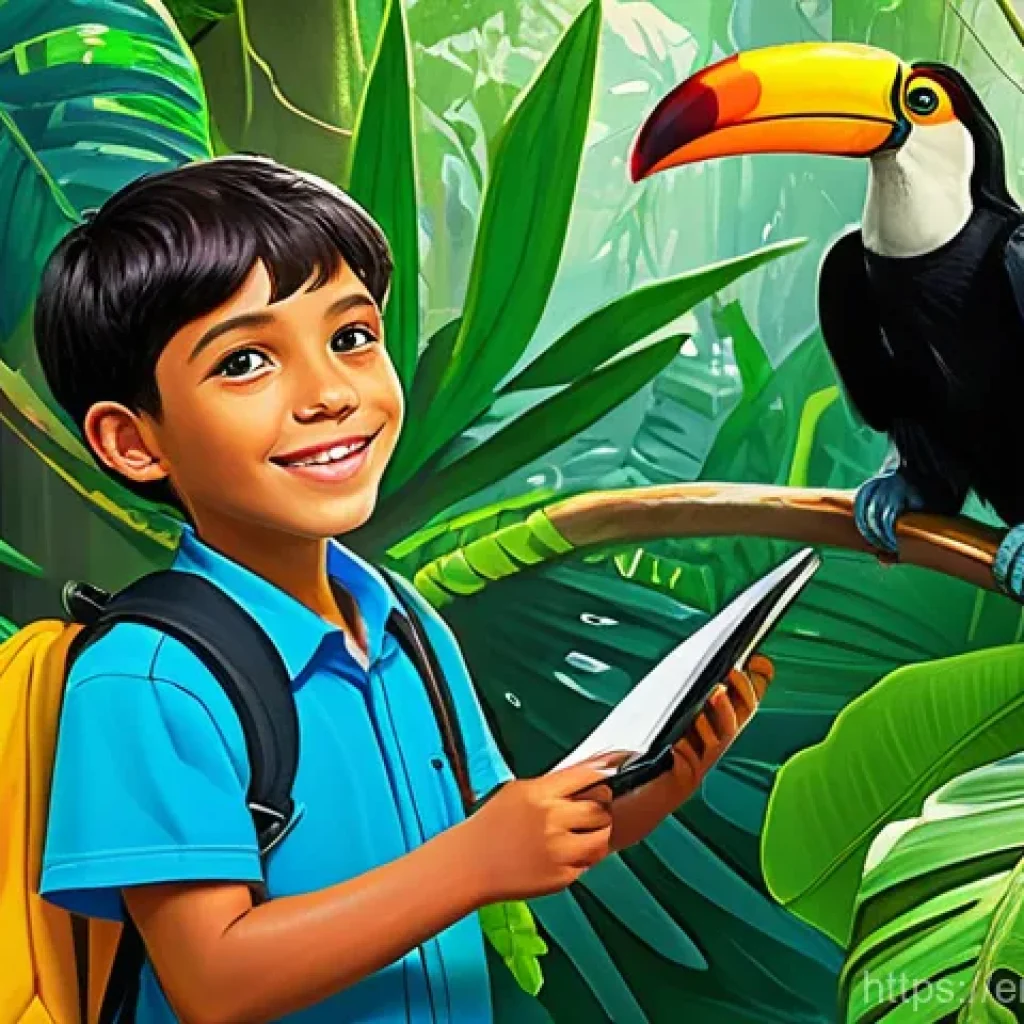
After all that underwater excitement, it’s refreshing to shift gears and venture onto dry land! My kids absolutely adore shows that transport them to vibrant rainforests, expansive deserts, or even our own backyard ecosystems. We’ve discovered some fantastic series that introduce them to incredible animals and plants, explaining how they adapt to their environments and the delicate balance within these habitats. It’s like a virtual field trip every time, and honestly, I’ve learned a thing or two myself! I remember one afternoon, we were watching a show about desert wildlife, and my youngest piped up, “Mommy, how do cacti store water?” It was directly inspired by what she’d seen, and it led to a whole afternoon of looking up cool facts about desert survival. That’s the magic, isn’t it? These shows aren’t just entertaining; they’re conversation starters, igniting genuine curiosity about our amazing planet.
Unraveling the Mysteries of Our Universe
But why stop at Earth? For kids who love the idea of exploration, the universe is the ultimate frontier! There are some truly stellar (pun intended!) animated series that introduce basic astronomy, the solar system, and even more complex concepts like constellations and galaxies. I vividly recall watching a show with my eldest that explained the life cycle of a star. Initially, I thought it might be too advanced, but the way they broke it down, with engaging characters and clear visuals, made it so approachable. He was absolutely fascinated and spent the next week drawing planets and asking if we could get a telescope. It just goes to show that if the content is high-quality and presented engagingly, kids are capable of grasping so much more than we sometimes give them credit for. It’s all about nurturing that inherent wonder they have about how everything works.
Engineering Adventures and Inventive Minds
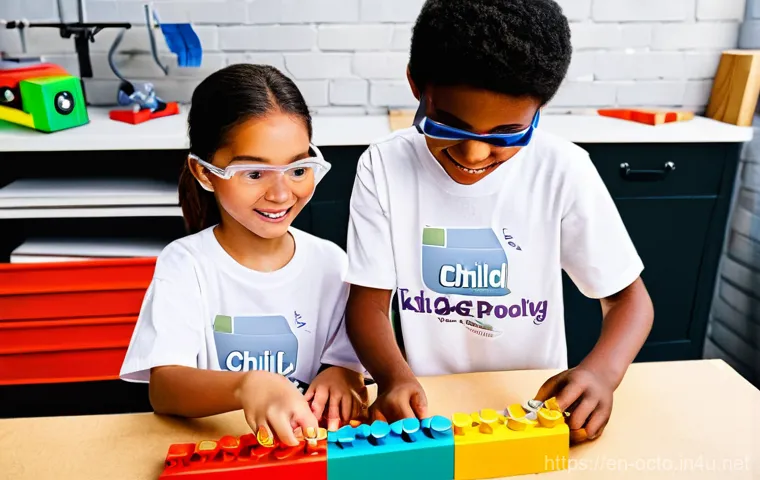
If your kids are anything like mine, the problem-solving aspect of the Octonauts, where they figure out how to help creatures and fix situations, is a huge draw. That spark of ingenuity is something truly special, and it’s why I’m always on the lookout for shows that lean into engineering, design, and inventive thinking. It’s not just about building blocks; it’s about understanding how things work, why they break, and how we can innovate to make them better. I’ve personally observed how exposure to these kinds of programs can dramatically shift a child’s perspective. Instead of just playing with a toy, they start to wonder, “How was this made?” or “What if I changed this part?” It’s a subtle but powerful shift from consumer to creator, and it lays a fantastic foundation for critical thinking and resilience. I remember one time, after watching a particularly clever building-themed show, my daughter spent hours trying to construct a pulley system for her stuffed animals using string and a shoebox. It was messy, it was challenging, but the focus and determination she showed were incredible. That’s the real win – seeing them apply what they’ve learned in their own creative play. These shows aren’t just entertaining; they’re equipping our kids with vital skills for navigating a complex world.
Simple Machines and Clever Contraptions
Many fantastic shows out there break down the basics of simple machines – levers, pulleys, wheels, and axles – in a way that’s completely understandable and fun for kids. They often feature characters who encounter a problem and then use these principles to design a solution. My son, after watching one such series, became obsessed with ramps. Everything became a ramp! It was hilarious, but also amazing to see him experimenting with different angles and materials to see how quickly his toy cars would go. These aren’t just abstract lessons; they’re concrete examples that make physics feel like magic. It’s about building that fundamental understanding, little by little, so they can see the engineering all around them, from a playground slide to a zipper on their jacket.
Building and Designing with Purpose
Beyond just simple machines, some shows delve into the entire design process, from brainstorming ideas to testing prototypes and iterating on designs. They often highlight teamwork and the importance of perseverance when things don’t go perfectly the first time. I’ve always stressed to my kids that mistakes are just opportunities to learn, and these shows really reinforce that message. There was one episode of a favorite show where the characters tried several different approaches to build a bridge, and each attempt failed in a unique way before they finally succeeded. My daughter watched it intently and then declared, “They didn’t give up!” That’s the kind of resilience and problem-solving mindset I want her to develop, and it’s incredible to see how these stories can inspire it.
Cultivating Empathy and Teamwork Through Engaging Stories
One of the quiet superpowers of the Octonauts, beyond all the science, is their unwavering commitment to helping others and working together. That’s a theme I personally look for in all media my children consume, because let’s face it, empathy and strong social skills are just as crucial as understanding the periodic table. As a parent, I’ve often grappled with how to effectively teach these abstract concepts. Lectures rarely stick, but a compelling story? That’s gold. I’ve noticed that when kids see characters grapple with emotions, resolve conflicts, or lend a helping hand, they internalize those lessons in a much more profound way. It moves beyond just “being nice” to understanding *why* kindness and cooperation matter. We’ve had so many fantastic conversations after watching shows where characters had to navigate a disagreement or comfort a friend. It gives them a framework, a reference point, for their own interactions. It’s truly amazing to see them echo a character’s compassionate action in their own play or even in a real-life situation at the park. These programs are truly shaping not just intelligent minds, but also kind and considerate hearts, which, in my opinion, is the most important lesson of all. It’s about building little citizens who understand the value of community and mutual respect.
Navigating Friendships and Feelings
So many incredible shows focus on the nuances of friendship, dealing with big emotions, and learning to communicate effectively. They often present relatable scenarios that kids face every day – sharing toys, dealing with frustration, or understanding why someone else might be feeling sad or angry. I remember one show we watched where a character was feeling left out, and another friend went out of her way to include them. My son was really affected by it, and it opened up a discussion about times he might have felt similar or seen others feeling that way. It wasn’t a preachy lesson; it was a story that allowed him to connect emotionally and build his own understanding of empathy. It’s these subtle, storyline-driven lessons that really stick with them and help them develop into well-rounded individuals.
The Power of Collaboration and Community
Just like the Octonauts’ unwavering team spirit, many shows highlight the immense power of working together towards a common goal. They demonstrate that challenges are often easier to overcome when everyone contributes their unique skills and perspectives. I’ve seen my kids, after watching these kinds of shows, become much more willing to collaborate on puzzles or even chore-like tasks. They understand that when they combine forces, things get done more efficiently and often more enjoyably. It’s not just about getting the job done, either; it’s about the joy of collective achievement. These narratives teach them that being part of a team means supporting each other, celebrating successes together, and learning from setbacks as a group, fostering a strong sense of community from a very young age.
Igniting Creativity and Artistic Expression
While the Octonauts are all about science and exploration, there’s an inherent creativity in their problem-solving and world-building that shouldn’t be overlooked. For me, as a parent, nurturing artistic expression is just as important as scientific literacy. After all, the best innovators often blend logical thinking with imaginative leaps! I’ve been on a mission to find shows that genuinely inspire creativity, not just through passive viewing, but by encouraging kids to draw, paint, build, or even make music themselves. It’s fascinating to see how a well-produced artistic show can unlock a child’s inner artist. I distinctly remember one afternoon, after watching a show about different art techniques, my daughter grabbed every colored pencil and piece of paper she could find and started experimenting with shading in a way she never had before. It was purely self-driven, sparked by the concepts she’d just seen. These programs aren’t just showcasing art; they’re providing a gentle nudge, a permission slip, for kids to explore their own creative potential without judgment. It’s about building confidence in their unique voice and recognizing that there are countless ways to express themselves, whether through a drawing, a dance, or even just arranging their toys in a new, imaginative way. This kind of encouragement is truly invaluable for their holistic development.
Exploring Diverse Art Forms and Techniques
Some truly wonderful shows introduce children to a wide array of art forms, from painting and sculpting to music and dance. They often feature relatable characters who are learning alongside the viewers, making the creative process feel less intimidating and more like a fun adventure. I’ve personally seen how a show demonstrating stop-motion animation can lead to my kids spending hours making little scenes with their action figures, taking countless photos. It’s not about producing a masterpiece, but about engaging with the *process* of creation, understanding that art is about experimentation and finding joy in making something new. These shows demystify art, making it accessible and exciting for every child, regardless of their perceived talent.
Music, Movement, and Imaginative Play
Beyond visual arts, there are fantastic programs that celebrate music and movement, encouraging kids to sing along, dance, and use their bodies to tell stories. These shows often incorporate rhythm, melody, and various musical instruments, gently introducing foundational concepts in a playful way. My son, who is usually quite reserved, will often get up and dance along to these shows, completely uninhibited. It’s a beautiful thing to witness, as it shows how these programs can tap into a different part of their development, fostering coordination, self-expression, and a love for performing. It’s all about creating an environment where they feel comfortable exploring different avenues of self-expression, building confidence along the way.
Navigating Global Cultures and Histories
If the Octonauts ignited a love for diverse marine life, then surely your little explorers are ready to journey even further – into the incredible tapestry of human cultures and histories! As a parent, I truly believe that fostering a global perspective from a young age is one of the greatest gifts we can give our children. It’s not about memorizing dates or capitals, but about understanding that the world is rich with different traditions, languages, and ways of life. I’ve found that high-quality children’s shows can be an amazing portal to this understanding, often sparking deeper conversations that I might not have initiated on my own. I vividly remember watching a show with my kids that explored a traditional festival in a far-off land. They were absolutely captivated by the colorful costumes, the unique music, and the storytelling. It wasn’t just entertaining; it led to questions like, “Do people celebrate like that here?” or “What other special days do people have?” It truly expanded their world in a beautiful way, opening their minds to the vastness and variety of human experience. These programs aren’t just educating them; they’re cultivating a sense of curiosity and respect for cultural differences, which is an invaluable foundation for growing up in our interconnected world. It’s about celebrating what makes us unique and what connects us all as humans.
Discovering Traditions and Everyday Life Around the World
Many wonderful children’s series take viewers on virtual journeys to different countries, introducing them to the daily lives, customs, and special celebrations of children and families from various cultures. These shows often highlight similarities and differences in food, clothing, games, and family structures, helping kids understand that while people may live differently, they also share many common human experiences. My daughter once saw a show about a family in Japan preparing a traditional meal, and she was so interested in the careful way they arranged the food. It led us to try a new recipe at home, and it was a fun way to connect with another culture through a shared experience. These kinds of exposures broaden their horizons and build an appreciation for global diversity in a really tangible way.
Peeking into the Past: History Made Accessible

For those eager to understand how we got here, there are also excellent shows that gently introduce historical concepts and significant events. They often use engaging storytelling and relatable characters to explain how people lived in different eras, what challenges they faced, and what contributions they made. I’ve found that when history is presented as a series of compelling stories rather than just facts, it truly comes alive for kids. My son became fascinated with dinosaurs after watching a show that presented them in a scientifically accurate but incredibly engaging way, leading to countless trips to the library for more books. It’s about sparking that initial curiosity about the past, showing them that history isn’t just dusty old books, but a living narrative that shapes our present and future.
Smart Screen Time Choices: My Top Picks for Young Learners
When it comes to screen time, I know we all want to make choices that are not just entertaining but genuinely enriching. As a parent who’s been through the trial and error of countless shows, I’ve compiled a little cheat sheet of some top-notch programs that consistently deliver on both fun and educational value. These aren’t just my opinions; these are shows that have truly resonated with my own children, sparking discussions, igniting new interests, and even inspiring creative play long after the credits roll. It’s about finding that sweet spot where a show captivates their attention while subtly teaching them something new about the world, about themselves, or about how things work. I’ve found that the best ones often have strong narratives, memorable characters, and a clear educational objective woven seamlessly into the storyline, making learning feel completely effortless and enjoyable. This table summarizes some of our family’s absolute favorites, the ones we consistently go back to when we’re looking for that Octonauts-level blend of adventure and enlightenment. I hope it helps you discover some new gems for your own household!
Key Elements of Engaging Educational Content
What makes a show truly stand out? For me, it boils down to a few key elements. First, it needs engaging characters that kids can relate to or look up to. Second, the storytelling has to be compelling enough to hold their attention, even when it’s explaining a scientific concept. Third, the educational content needs to be accurate and presented in an age-appropriate way without being overly simplistic. And finally, and this is crucial for the E-E-A-T factor, it should ideally inspire further exploration or activity. When a show prompts my child to ask a follow-up question, draw something new, or even just think about a concept differently, that’s when I know it’s truly effective. It’s not just about what they watch, but what they do and think *after* they watch. That’s the real measure of quality, in my experience.
Maximizing Learning Beyond the Screen
I’ve learned that the screen time itself is just the beginning. The real magic happens when you extend the learning beyond the episode. This can be as simple as asking open-ended questions like, “What was your favorite part?” or “What did you learn today?” It can also involve hands-on activities inspired by the show, like looking up fun facts about an animal they saw, trying a simple science experiment, or even drawing a picture of their favorite character. For us, after watching a show about different biomes, we created our own “mini-biomes” in clear containers using soil, small plants, and toys. It was a fantastic way to reinforce what they’d learned and make it tangible. These follow-up activities are where the learning really solidifies and transforms passive viewing into active engagement, making the screen time truly valuable.
| Show Title | Primary Educational Focus | Why We Love It |
|---|---|---|
| Wild Kratts | Zoology, Animal Behavior, Ecology | Explores amazing animals and their habitats worldwide, emphasizing biology and conservation with exciting creature powers. |
| Xavier Riddle and the Secret Museum | History, Social-Emotional Learning, Role Models | Travels back in time to meet historical figures who inspire kids to solve modern-day problems with courage and kindness. |
| Emily’s Wonder Lab | STEM, Chemistry, Physics (Hands-On) | Real-life experiments presented by a dynamic host, encouraging kids to explore scientific principles through fun, accessible projects. |
| StoryBots (Ask the StoryBots, Super Songs) | General Knowledge (Science, History, etc.) | Answers kids’ biggest questions with catchy songs and diverse animation styles, covering a huge range of topics. |
| Dinosaur Train | Paleontology, Natural Science, Social Skills | Buddy the T-Rex and his Pteranodon family explore different dinosaur species and eras, teaching about natural history and diversity. |
Fostering Curiosity Through Question-Based Learning
You know, one of the things I absolutely love about the Octonauts is how every episode is essentially a mission to answer a question or solve a problem. That kind of inquiry-based learning is incredibly powerful, and as a parent, I’m always trying to cultivate that “why?” mentality in my kids. It’s not just about passively receiving information; it’s about actively seeking it out, asking questions, and understanding the process of discovery. I’ve noticed that when shows are structured around answering a child’s specific question, or even presenting a mystery to be solved, it completely changes their level of engagement. They become little detectives, invested in finding the solution right alongside the characters. I remember one particular show where the main characters were trying to figure out why a certain animal changed colors, and my kids were shouting out their own theories at the screen! That active participation is exactly what we want, isn’t it? These types of programs don’t just deliver facts; they model the scientific process, showing that it’s okay to not know all the answers and that asking questions is the first step toward understanding. It truly feels like they’re building foundational critical thinking skills, teaching kids how to approach new information and solve problems systematically, a skill that’s absolutely vital in every aspect of life.
Unraveling Mysteries and Posing “What If” Scenarios
Shows that build an entire narrative around a central question or a scientific mystery tend to be incredibly captivating. They often present a challenge or an unknown phenomenon, then guide viewers through a logical process of investigation, experimentation, and deduction to find the answer. My kids are always drawn into these narratives. For example, if a show explores “Why do we need sleep?” or “How does sound travel?”, they’ll follow every clue and experiment the characters conduct with rapt attention. It’s not just about the answer itself, but the journey of discovery, the process of forming hypotheses and testing them. These shows genuinely empower kids to think critically and to embrace the exciting process of scientific inquiry, rather than just memorizing facts from a textbook.
Interactive Elements That Encourage Active Participation
Some of the most brilliant educational shows incorporate interactive elements, directly posing questions to the audience or offering choices that influence the story’s progression. While this isn’t always possible with traditional animated series, those that do it well are fantastic for engagement. Even without direct interaction, shows that pause to allow children to think or predict what might happen next can be incredibly effective. I’ve seen my kids enthusiastically shout out their answers or ideas during these moments. It transforms passive viewing into an active learning experience, encouraging them to process information, make predictions, and feel like a true participant in the learning journey. It’s about making them feel heard and valued as thinkers, even through a screen.
The Art of Storytelling: Weaving Lessons into Narratives
Honestly, as much as I value direct educational content, I’ve found that some of the most profound learning happens almost invisibly, woven into truly great stories. The Octonauts excel at this – the overarching narrative of adventure and teamwork carries all those marine biology lessons effortlessly. For me, as a parent, this is the holy grail: shows that are so captivating that kids don’t even realize they’re learning something important about life, emotions, or even complex ethical dilemmas. It’s about tapping into that innate human love for stories, using it as a vehicle for deeper understanding. I’ve witnessed my children grappling with concepts like fairness, perseverance, or even cultural sensitivity, all within the context of a compelling plot. It sticks with them in a way that a direct lesson often can’t, because it’s attached to characters they care about and situations they feel invested in. One time, after watching a show where characters had to overcome significant challenges to achieve a goal, my son later applied that same “never give up” mentality to a difficult LEGO build. It wasn’t about the show’s explicit lesson, but the underlying message of resilience that resonated. That’s the real power of great storytelling – it provides moral and intellectual frameworks without ever feeling preachy, allowing kids to draw their own conclusions and apply them to their own lives.
Building Emotional Intelligence Through Character Journeys
Many fantastic shows excel at creating characters with complex emotions and relatable struggles, allowing children to witness different ways of processing feelings, resolving conflicts, and building meaningful relationships. These narratives often explore themes of courage, kindness, forgiveness, and understanding differences. I remember a show where a character made a mistake and had to learn how to apologize and make amends. My daughter, who was struggling with a similar situation at school, watched it intently and later applied some of the lessons to her own interaction. It wasn’t a direct lecture; it was a story that showed her a path forward, helping her to build her emotional intelligence and navigate her own social world with greater confidence and empathy.
Exploring Ethical Dilemmas and Moral Choices
Beyond simple emotions, some truly brilliant children’s shows introduce more complex ethical dilemmas, presenting scenarios where characters have to make tough choices with consequences. These aren’t heavy-handed; instead, they gently prompt critical thinking about what’s right, what’s fair, and how one’s actions can impact others. I’ve been amazed at the deep conversations these shows can spark with my kids. We once watched a story where characters had to decide whether to prioritize their own desires or the needs of their community. It led to a fascinating discussion at dinner about responsibility and sacrifice. These narratives are invaluable for fostering a strong moral compass, encouraging children to think beyond immediate gratification and consider the broader implications of their decisions, preparing them to be thoughtful and ethical individuals in their own lives.
Wrapping Up Our Journey
Whew! What an adventure it’s been, diving deep into all the incredible ways we can expand our kids’ horizons beyond just one fantastic show. Honestly, as a parent navigating the endless stream of content out there, it’s truly heartening to discover that education and entertainment don’t have to be mutually exclusive. My own journey through countless hours of screen time (both with and without my little co-viewers!) has shown me that with a little intention, we can transform passive viewing into genuine learning experiences that spark curiosity and nurture vital skills. Seeing my children’s eyes light up when they grasp a new concept or apply a lesson from a show to their own imaginative play – that’s the ultimate reward. It reinforces my belief that these thoughtfully created programs are truly invaluable tools in our parenting toolkit. So, here’s to making informed choices, fostering that innate wonder in our kids, and watching them grow into curious, compassionate, and capable individuals, one amazing show at a time. It’s been a joy sharing my insights, and I hope you feel as empowered as I do to keep exploring!
Handy Tips for Smart Screen Time
Here are a few nuggets of wisdom I’ve picked up along the way that might make your screen time choices even more impactful:
1. Preview Before Play: Always, always try to watch a new show for a few minutes yourself before letting your kids dive in. It gives you a feel for its tone, educational value, and ensures it aligns with your family’s values. You’d be surprised what you can catch in just five minutes!
2. Engage and Discuss: Don’t just set it and forget it! Watching alongside your kids, even for a bit, and asking open-ended questions like “What did you find interesting?” or “How do you think they solved that problem?” can dramatically boost their learning and comprehension.
3. Extend the Learning: The screen is just the starting point! Think about how you can take the themes or topics from a show into real life. A show about animals might lead to a trip to the zoo or drawing their favorite creature. A history show could inspire a visit to a local museum or a craft project related to the era.
4. Balance is Key: While educational shows are fantastic, remember that a varied diet of activities is best for development. Mix screen time with outdoor play, reading books, creative arts, and good old-fashioned imaginative play to ensure a well-rounded experience.
5. Follow Their Lead: Pay attention to what genuinely excites your child. If they’re suddenly obsessed with space after watching a show, lean into it! Find more space-themed content, books, or even a simple DIY rocket craft. Their intrinsic motivation is your most powerful educational ally.
Key Takeaways
Ultimately, the world of children’s educational content offers a treasure trove of opportunities for growth and discovery far beyond just marine biology. By consciously seeking out programs that cover diverse subjects like engineering, global cultures, emotional intelligence, and artistic expression, we can help cultivate well-rounded, curious, and empathetic young learners. Remember, the most effective screen time is often interactive, inspires further exploration, and weaves valuable lessons seamlessly into compelling stories. It’s about empowering our children to be active participants in their learning journey, fostering a lifelong love for knowledge and discovery, and equipping them with the vital skills they’ll need to thrive in an ever-changing world.
Frequently Asked Questions (FAQ) 📖
Q: &
A: Diving Deeper into Educational Kids’ Shows
Q: My kids are absolutely hooked on the Octonauts, learning so much about marine life! What other shows out there can offer that same wonderful blend of adventure and solid educational content, but maybe explore different subjects?
A: Oh, I totally get that! My little ones went through a massive Octonauts phase, and finding something that lives up to that standard can feel like a quest.
From my own experience, and what I’ve seen captivate other kids, “Wild Kratts” is an absolute must-watch for animal lovers. Chris and Martin Kratt are incredible, taking kids on global adventures to learn about creature powers and ecosystems, often blending animation with live-action segments that are just so cool.
If your child enjoys problem-solving and science experiments, “Sid the Science Kid” is fantastic for preschoolers, turning everyday questions into exciting scientific discoveries.
For a broader look at science and how things work, “The Magic School Bus” (both the original and “Rides Again”) is a classic for a reason; Ms. Frizzle makes learning about everything from the human body to outer space an absolute blast.
And if you’re keen on something that tackles social-emotional learning with the same gentle wisdom, “Daniel Tiger’s Neighborhood” is a standout, teaching kindness and navigating feelings in such an empathetic way.
There’s also “Ask the StoryBots” on Netflix, which is brilliant for answering all those ‘why’ questions kids have, making complex topics digestible and fun through songs and varied segments.
I’ve found these shows really hit that sweet spot of engaging storytelling with genuine learning, much like our beloved Octonauts!
Q: It feels like every kids’ show claims to be “educational” these days. How can I really tell if a show is genuinely beneficial for my child’s development, or just masquerading as educational fluff?
A: That’s such a valid point! I’ve been there, staring at descriptions wondering if it’s truly educational or just using the buzzword. What I’ve learned through countless hours of co-viewing (and a bit of research!) is to look for a few key things.
Firstly, does the show actively involve your child? Experts say that truly educational shows encourage kids to participate, whether by asking questions, encouraging them to repeat words, or engaging them in problem-solving.
My kids, for instance, often shout answers at “Bluey” or try to guess what’s next in “Wild Kratts,” which is a great sign. Secondly, consider if the content is truly meaningful and age-appropriate.
Is it helping them make connections to their daily lives or building on concepts they’re already learning? High-quality programs are often created with input from educational experts, which often shines through in how clearly and effectively they teach.
And honestly, trust your gut. If your child seems genuinely curious afterward, asking questions, or applying what they saw to their play, then it’s likely hitting the mark.
It’s less about memorizing facts and more about sparking that intrinsic love for discovery.
Q: We’ve found some fantastic educational shows, but I worry about screen time becoming excessive. What are some practical tips to balance these amazing learning opportunities with other activities, so screens don’t become a crutch?
A: Oh, the screen time tightrope walk – I think every parent can relate! It’s not about eliminating screens, but about smart, intentional use, right? What has worked wonders for me and my family is setting clear rules and sticking to them consistently.
We use timers, and sometimes even device-specific limits, so the kids know exactly how long they have. Also, I’ve found it incredibly helpful to designate ‘screen-free zones’ like the dining table or bedrooms, especially before bedtime, to ensure those critical moments for family interaction and sleep aren’t disrupted.
Another big one is encouraging other activities. We keep a rotating basket of craft supplies, books, and board games easily accessible, and make outdoor play a non-negotiable part of our day.
It also helps immensely if we as parents model balanced behavior. If I’m always on my phone, it sends a mixed message, you know? And here’s a little secret: sometimes I’ll use screen time as a reward after homework or chores are done, turning it into a privilege rather than just an automatic right.
The goal isn’t perfection, but creating a healthy rhythm where screens are a valuable tool for learning, not the sole source of entertainment.