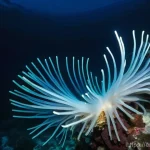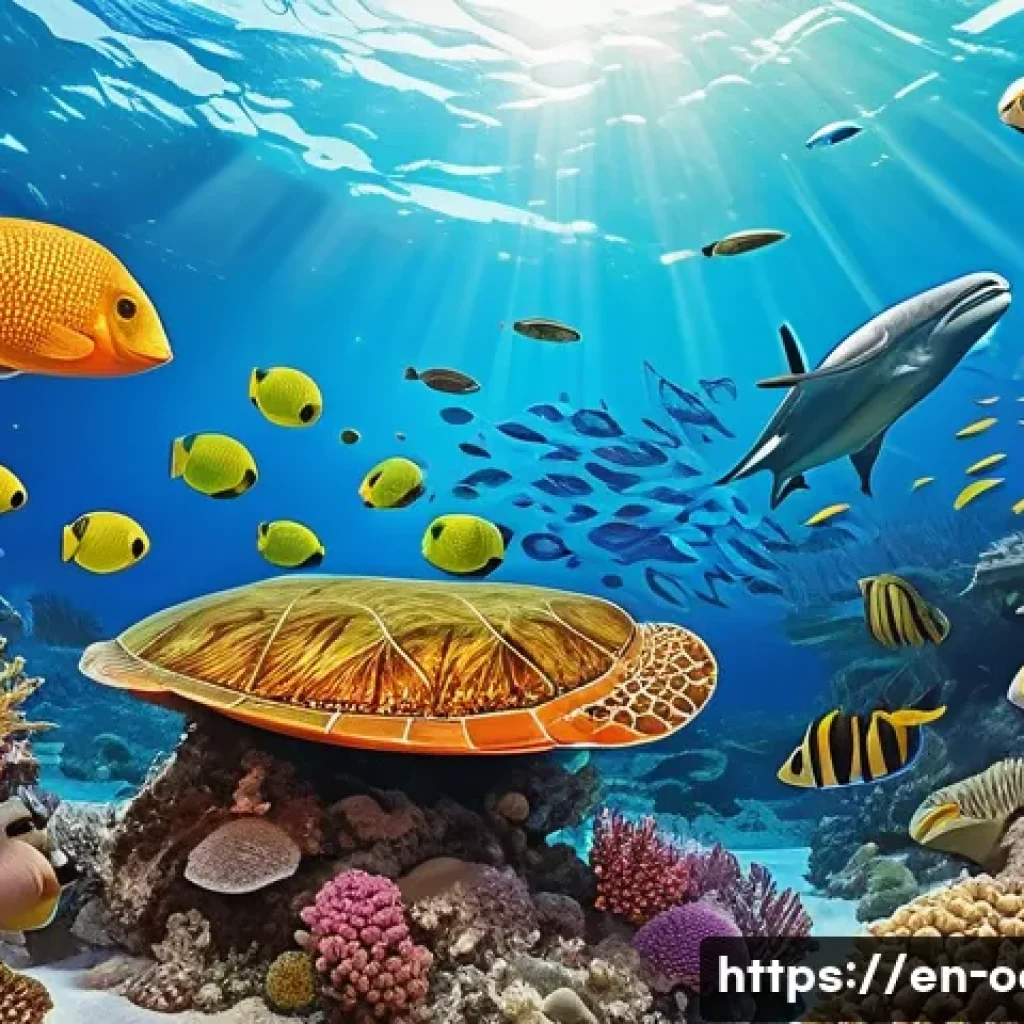
Dive into the thrilling underwater world of Octonauts Quags and their exciting ocean adventures! This beloved series combines education with entertainment, taking viewers on journeys through vibrant marine ecosystems.
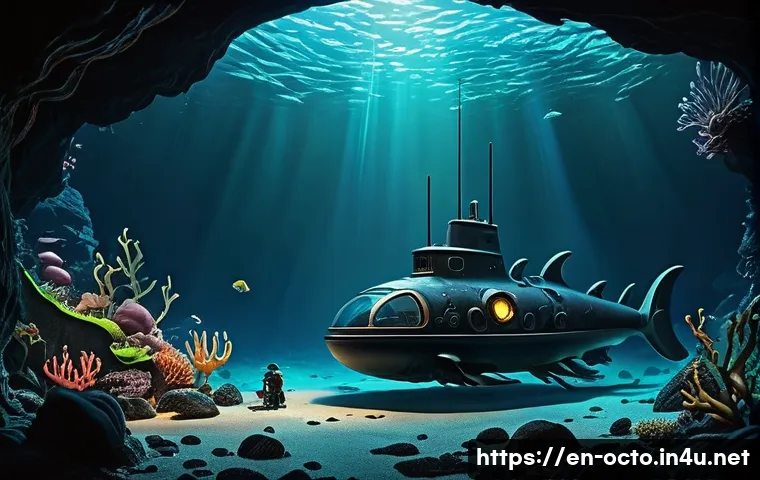
Along the way, you’ll uncover fascinating facts about sea creatures and learn the importance of ocean conservation. Whether you’re a curious kid or a lifelong ocean enthusiast, these stories offer something captivating for everyone.
Get ready to explore the deep blue sea like never before. Let’s dive deeper and discover all the wonders awaiting us below the waves!
Discovering the Secrets of Marine Life
Unraveling the Mysteries of Coral Reefs
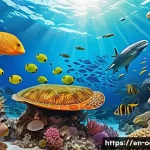
Coral reefs are like bustling underwater cities, teeming with life and color. When I first dove into learning about them, I was amazed by how these tiny animals, corals, build massive structures that support thousands of species.
These reefs act as nurseries for many fish, sheltering young ones until they’re ready to swim out into the open ocean. What really blew me away was how fragile this system is—factors like water temperature changes and pollution can cause coral bleaching, threatening the entire ecosystem.
It’s a delicate balance that highlights why protecting reefs is crucial for marine biodiversity.
The Role of Predators in Ocean Balance
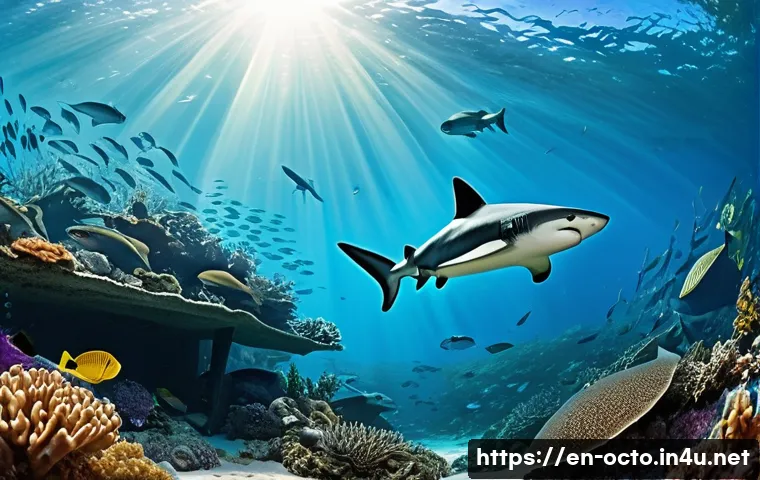
Predators like sharks and octopuses play a vital role in keeping ocean ecosystems healthy. I remember watching an episode where the Octonauts explained how sharks control the population of smaller fish, preventing overgrazing of seagrass beds.
Without these predators, the entire food chain could collapse, causing ripple effects throughout the ocean. Observing how these creatures hunt and interact made me appreciate their importance beyond just being “scary” animals.
They’re essential players in maintaining the natural harmony beneath the waves.
Hidden Wonders of Deep-Sea Creatures
The deep sea is one of the most mysterious places on Earth, and it’s home to some truly bizarre creatures. I was fascinated to learn about bioluminescent fish that light up the darkness, creating eerie glows in the pitch-black depths.
These adaptations help them find mates or lure prey in an environment where sunlight never reaches. Exploring these creatures’ unique features opened my eyes to how life can thrive in the most extreme conditions, pushing the limits of biology and survival.
How Ocean Adventures Teach Conservation
Connecting Curiosity with Responsibility
One of the best things about ocean adventures is how they spark curiosity in viewers of all ages. When I watched stories about sea turtles or dolphins, I found myself wanting to learn more about their habitats and challenges.
This curiosity naturally leads to a sense of responsibility—realizing that human actions like plastic pollution and overfishing directly impact these animals.
The stories don’t just entertain; they inspire meaningful action, reminding us that every small effort counts when it comes to protecting our oceans.
Interactive Learning Through Exploration
Hands-on experiences, even if virtual, make ocean conservation lessons stick. I’ve noticed that when kids engage with interactive activities or games related to marine life, their understanding deepens.
For instance, navigating a virtual submarine to rescue sea creatures or clean up habitats helps them grasp the complexity of ocean ecosystems. This type of learning feels less like a lecture and more like an adventure, which boosts retention and encourages a lifelong passion for protecting marine environments.
From Screen to Shoreline Action
It’s incredible how watching ocean adventures can translate into real-world conservation efforts. After immersing myself in these stories, I joined local beach cleanups and became more mindful about reducing single-use plastics.
This shift didn’t happen overnight but grew from the empathy and knowledge gained through engaging narratives. Sharing these experiences with family and friends creates a ripple effect, spreading awareness and motivating collective action toward healthier oceans.
Technological Marvels in Underwater Exploration
Submarines and Underwater Vehicles
Modern technology has revolutionized how we explore the ocean depths. Remote-operated vehicles (ROVs) and mini-submarines allow scientists to venture where humans can’t easily go.
Watching the Octonauts use their Gups, specialized underwater vehicles, reminded me of real-world counterparts like the Alvin submersible. These machines capture stunning footage and collect data that reveal hidden marine ecosystems.
The ability to peer into these alien-like environments expands our understanding and fuels ongoing scientific discovery.
Sonar and Mapping Techniques
Sonar technology is like the ocean’s radar, mapping the seafloor and locating underwater objects. I found it fascinating how sound waves can bounce off surfaces, creating detailed images of shipwrecks, trenches, and coral formations.
This technology is crucial for navigation, research, and conservation planning. It’s amazing to think that beneath the waves, a whole world is being mapped and studied, piece by piece, helping us protect fragile marine habitats before they disappear.
Wearable Tech for Marine Scientists
Marine biologists and divers now use wearable devices that monitor health, track dives, and collect environmental data. These gadgets enhance safety and efficiency during underwater missions.
When I read about smart wetsuits equipped with sensors, it felt like science fiction turned reality. This technology allows experts to stay longer underwater, gather more precise information, and respond faster to emergencies—ultimately improving research outcomes and conservation strategies.
Understanding Ocean Ecosystems Through Storytelling
Bringing Marine Biology to Life
Storytelling is a powerful way to make complex ocean science accessible and engaging. Through characters and adventures, abstract concepts like food webs or symbiotic relationships become relatable.
I found that narratives help me remember facts better because they’re tied to emotions and memorable moments. For example, a story about a lost baby sea turtle navigating dangers makes the science of turtle migration more vivid and impactful.
Fostering Empathy for Marine Creatures
When animals are portrayed as characters with personalities and challenges, it’s easier to empathize with their plight. I often catch myself rooting for these creatures, feeling concerned about their survival.
This emotional connection motivates me to support conservation efforts and spread awareness. It’s a reminder that behind every statistic or fact, there’s a living being depending on our care.
Encouraging Family Learning and Discussion
Ocean adventure stories are a great way to bring families together around a shared interest. I’ve noticed how watching episodes or reading about marine life sparks conversations among parents and kids, encouraging questions and shared research.
This interactive learning strengthens bonds and creates a supportive environment for exploring environmental topics. It’s exciting to see curiosity passed from one generation to the next through storytelling.
Marine Species Spotlight: Unique Adaptations and Behaviors
Camouflage Masters of the Sea
Many marine species have developed incredible camouflage techniques to survive. Octopuses, cuttlefish, and certain fish can change color and texture to blend seamlessly with their surroundings.
I remember being fascinated by footage showing an octopus disappearing against a coral background within seconds. These adaptations not only protect them from predators but also aid in hunting prey, showcasing nature’s genius in evolution.
Symbiotic Relationships Beneath the Waves
The ocean is full of partnerships that benefit multiple species. Cleaner fish that eat parasites off larger fish, clownfish living among sea anemones, and coral polyps hosting algae are classic examples.
Observing these relationships helped me understand how interconnected life is beneath the surface. Each species plays a role in supporting others, creating a balanced and resilient ecosystem.
Migration Journeys Across Oceans
Some marine animals embark on epic migrations that span thousands of miles. Sea turtles, whales, and certain fish species travel vast distances to breed, feed, or find suitable habitats.
Learning about these journeys gave me a new appreciation for the endurance and navigation skills these creatures possess. It also highlighted the importance of protecting migratory routes from human threats like shipping traffic and pollution.
How Human Actions Shape Ocean Health
Impact of Pollution on Marine Life
Pollution, especially plastic waste, poses one of the biggest threats to ocean health. I was shocked to learn how microplastics infiltrate the food chain, affecting everything from plankton to whales.
Seeing images of sea turtles tangled in nets or seabirds feeding plastic bits to their chicks made the issue painfully real. Understanding these impacts drives home the urgency of reducing waste and supporting cleanup initiatives.
Overfishing and Its Consequences
Overfishing disrupts the natural balance of ocean ecosystems by removing key species faster than they can reproduce. This leads to declines in fish populations and affects predators that depend on them.
I noticed how sustainable fishing practices and marine protected areas can help reverse these trends. Learning about regulations and responsible seafood choices empowered me to make better decisions as a consumer.
Climate Change and Ocean Ecosystems
Rising ocean temperatures and acidification due to climate change threaten many marine species and habitats. Coral bleaching events, shifts in species distribution, and melting polar ice are all linked to these changes.
This global challenge requires collective effort, from individual lifestyle changes to international policies. The more I learn, the more I realize that protecting the ocean is inseparable from addressing climate change.
| Threat | Impact on Ocean | Example Species Affected | Potential Solutions |
|---|---|---|---|
| Plastic Pollution | Entanglement, ingestion, habitat contamination | Sea turtles, seabirds, fish | Reduce plastic use, beach cleanups, recycling |
| Overfishing | Population decline, ecosystem imbalance | Tuna, cod, sharks | Sustainable fishing, marine protected areas |
| Climate Change | Coral bleaching, habitat shifts, acidification | Corals, polar bears, various fish | Reduce emissions, conservation policies |
| Habitat Destruction | Loss of breeding and feeding grounds | Seagrass, mangroves, coastal fish | Habitat restoration, protective legislation |
In Conclusion
Exploring the ocean’s depths reveals not just stunning beauty but also critical lessons about the fragile balance of marine life. Understanding these ecosystems inspires us to take action and protect our blue planet. Every effort, big or small, contributes to preserving the wonders beneath the waves for future generations. Let’s keep learning, caring, and advocating for healthier oceans together.
Useful Information to Remember
1. Coral reefs are vital underwater habitats that support diverse marine species but are highly sensitive to environmental changes.
2. Predators like sharks maintain ocean balance by regulating populations and preventing ecosystem collapse.
3. Deep-sea creatures have unique adaptations such as bioluminescence that allow them to survive in extreme conditions.
4. Interactive and storytelling approaches greatly enhance understanding and empathy toward marine conservation.
5. Human activities like pollution, overfishing, and climate change pose serious threats to ocean health but can be mitigated through responsible actions and policies.
Key Takeaways
Protecting marine environments requires awareness of their complexity and the threats they face. Sustainable practices, technological advancements, and education all play essential roles in conservation efforts. By fostering curiosity and empathy, we empower individuals and communities to make a positive impact. Ultimately, preserving ocean ecosystems is a shared responsibility that benefits both nature and humanity.
Frequently Asked Questions (FAQ) 📖
Q: What age group is Octonauts Quags best suited for?
A: Octonauts Quags is perfect for young children, typically ages 3 to 8, but its charming storytelling and educational content can also captivate older kids and even adults who are passionate about marine life.
The show’s vibrant animation and simple explanations make it accessible for early learners, while the detailed ocean facts and conservation messages provide value for lifelong ocean enthusiasts.
Q: How does Octonauts Quags teach kids about ocean conservation?
A: The series cleverly weaves important lessons about protecting the ocean into its adventurous plots. Characters often encounter marine animals in trouble due to pollution, habitat loss, or climate change, and the team works together to solve these problems.
This hands-on approach not only entertains but also instills a sense of responsibility and awareness about the environment, encouraging kids to care about the health of our oceans from a young age.
Q: Can Octonauts Quags be educational for adults as well?
A: Absolutely! While the show is designed with kids in mind, many adults find themselves learning new and fascinating facts about sea creatures and ecosystems.
The detailed depiction of marine habitats and real-life inspired scenarios provide an engaging way for adults to deepen their understanding of ocean science and conservation efforts.
Watching it with children can also spark meaningful conversations about environmental stewardship in families.